Designing inhibitors of SARS-CoV 2 spike protein folding
Active project
Abstract
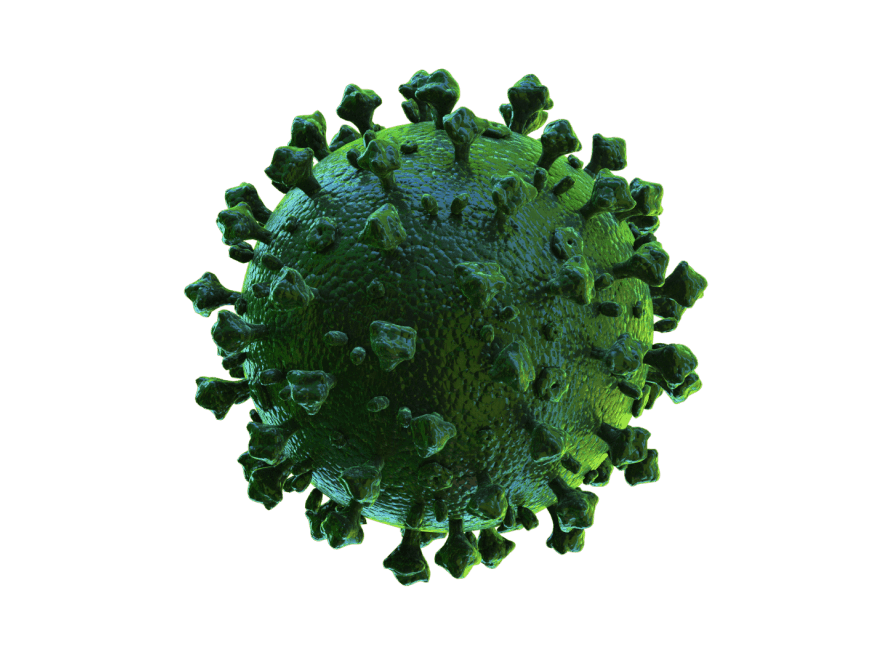
The receptor binding domain (RBD) of the SARS-CoV 2 Spike (S) protein plays a crucial role in enabling the virus to enter host cells, and represents a promising target for antiviral drugs. A common therapeutic strategy involves deploying small molecules to inhibit the protein-protein interaction (PPI) between the RBD and the human angiotensin-converting enzyme 2 (ACE2) to which it binds. But unfortunately, it is difficult to inhibit such PPIs using small molecules due to the large interaction surface area involved. To overcome this difficulty, we propose to develop a novel antiviral strategy whereby small molecules will be used to specifically bind and stabilize intermediates in the RBD folding pathway, thus inhibiting the domain’s folding and promoting the S protein’s degradation. Using folding simulations, we plan to map the RBD’s folding pathway in atomistic detail and identify long-lived intermediates with well-defined binding pockets. We will then identify existing, as well as newly-designed small molecules that bind these cavities with high affinity, but do not bind the native state. The resulting hits will then be experimentally screened for their ability to inhibit RBD folding and their antiviral activity. If successful, this approach will yield a novel therapeutic strategy against SARS-CoV 2 that overcomes difficulties associated with most RBD inhibitors. Furthermore, we expect it will be difficult for SARS-CoV 2 to acquire resistance to these folding inhibitors, owing to severe fitness costs associated with mutating residues that are surface-exposed in folding intermediates.
Results (0)
PI
Amir Bitran; Harvard University