Projects

Active project

SARS-CoV-2 Protein Structural Molecular Simulation Focused on Variants of Concern/Interest

02 October 2021

Abstract

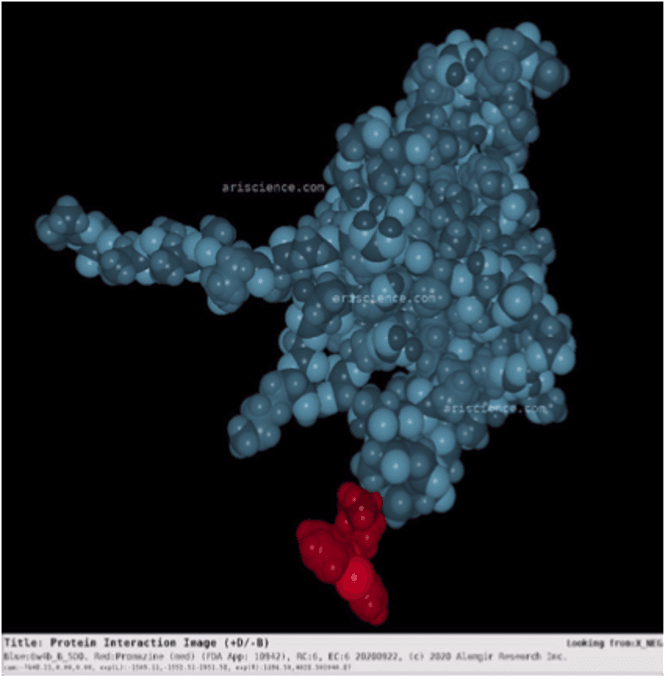
Our research objective for this submission is to build upon our previously successful drug simulation-based re-purposing research on SARS-CoV-2 enabled by the XSEDE/HPC COVID consortium. Our prior research focused on the alpha variant and resulted into a multi-institution collaboration among ARIScience, the NIH, Johns Hopkins University, Brown University, Oregon Health Sciences University and others. This proposed research extends our prior work into emergent SAR-CoV-2 variants of concern/interest (e.g., Delta and Mu variants). \n \n As before we plan to do this via (a) our novel high performance quasi-quantum simulation platform using FDA-approved compounds against SARS-CoV-2 protein structures and sub-structures – focused on spike protein mutations of variants of concern and variants of interest, (b) epidemiological analysis of discovered candidates via already established access to NIH’s N3C COVID data cohort. Research objective (a) is specifically the subject of this request as it requires significant computational resources.\n \n For the reader’s reference our prior work resulted into three manuscripts, one manuscript directly focused on our simulation and subsequently clinical validation that shows nearly 25% reduction of COVID mortality associated with use of drug interactions we discovered, and two manuscript resulting from exploration ideas from the multi-institution collaboration.\n \n This proposed work is impactful as it will either (a) validate applicability of our findings against SARS-CoV-2 alpha to Delta/Mu/emergent variants or (b) find other drugs with potential clinical impact of SARS-CoV-2

PI

Joy Alamgir; Alamgir Research Inc
TherapeuticsDrug repurposing
Completed project

The Competition of Antiviral Drugs with ATP to Inhibit the SARS-CoV-2 RNA-dependent RNA Polymerase: A Key to Enhanced Drug Screening

29 June 2020

Abstract

The project aims to demonstrate a novel computational approach for the enhanced screening of drugs based on a direct competition with the transcription initiation activator ATP to inhibit the RNA replication by the RNA-dependent RNA Polymerase (RdRp). The proposed competitive screening approach would allow direct comparison of the behaviors of the drug and the natural ATP in the replication site, rather than the common approach of evaluating the individual binding of drugs to the active site using molecular docking or molecular dynamics. The screening by direct competition for the RdRp replication active site will be realized using the 1D/3D reference interaction site model (RISM) molecular theory of solvation. This methodology provides 1D/3D probability distributions of interacting solvent components (including ligands and ions) which allow one to study the nanomorphology of dissolved molecules and ions around a large biomolecule, e.g., protein. The implementation of this theory is uniquely capable of representing the competitive binding of two or more molecules to the active site in electrolyte solution. Moreover, the statistical-mechanical 1D/3D-RISM method yields the full solvation free energy and binding preference predictions that correspond to the final state of the system, e.g., after a very long simulation time.

PI

Stanislav Stoyanov; Natural Resources Canada
TherapeuticsSmall molecule design
Active project

Privacy-aware Contact Tracing with Knowledge Mining Mechanisms to Monitor and Understand the COVID-19 Pandemic

06 May 2020

Abstract

While researchers work on a vaccine to handle the COVID-19 outbreak, our best weapon against this infection is knowledge combined with strict isolation policies. The SARS-CoV-2 virus is rapidly spreading across several countries using its high infection risk combined with a variable incubation period (between 2 and 14 days). Quarantine decisions and containment efforts must ground on reliable information about the probability of contagion. We have designed a mobile app and a technological platform, compliant to the European legislation, which enables unidentified contact/exposure information of users to be efficiently collected in a fully anonymous way. After a case is diagnosed, those who were exposed with the infected patient can easily be tracked back and analysed. This allows the medical and emergency management authorities to take the correct actions to alert people who may have been in close contact with an infected patient. While existing solutions rely on sensitive data based on geolocalisation, our open-source framework does not expose personal information. This is achieved by exploiting solely the anonymous data exchanged by the Bluetooth LE handshaking protocol of our smartphones. Our solution does not use sensitive data to run any of the analysis and it does not allow people to locate infected patients. On the other hand, data that is relevant for research on understanding this disease will be collected (while keeping anonymity), such as user's symptoms and genetic sequences from lab samples. The aim of this project is to give authorities the right tools to enforce the best strategy to limit the outbreaks of COVID-19 or potential future outbreaks, by allowing them to deploy solutions at scale, and collect data for investigating Covid-19 through a data-driven approach.

PI

Vania Bogorny; Universidade Federal de Santa Catarina (UFSC)
PatientsSocial interaction analytics
Active project

Distinct Mechanisms in receptor binding domain activation in the glycoprotein spikes of SARS-CoV-1 and SARS-CoV-2

02 November 2020

Abstract

We seek an atomic-level rationale for the observation that SARS-CoV-2 is more transmissible than SARS-CoV-1 by hypothesizing that the former has a lower activation energy barrier in its S glycoprotein spike between apo and receptor-bound states than the latter. We will conduct all-atom MD simulations with umbrella sampling and weighted-histogram analysis to construct free-energy landscapes for S activation for the SARS-CoV-1 and SARS-CoV-2 spike glycoprotein ectodomains based on recent cryo-EM structures. We will also model unique constructs aimed at pinpointing reasons for differences in activation energy. If successful, our project will establish a platform to investigate effects of mutations and potential inhibitors on spike activation.

PI

Cameron Abrams; Drexel University
Basic scienceViral-human interaction
Active project

The evolutionary history of SARS-CoV-2

17 April 2020

Abstract

The Coronavirus Disease 2019 (COVID-19) pandemic has infected over 1.4 million people globally and 400 thousand in the US (As of 04/08/2020, JHU). Billions of people self-isolate at home to fight against this invisible enemy through scientific research and other practical actions. However, the origin and evolutionary history of the disease-causing virus, SARS-CoV-2, is still unclear. Here we voluntarily assembled an interdisciplinary team of more than 10 scientists in the US and across the globe, with expertise in phylogenomics, population genetics, quantitative genetics, microbiology, and software engineering, to try to tackle this scientific question with cutting-edge methodologies and high-performance computing platforms. We propose to leverage the publicly available genome assemblies of SARS-CoV-2 (N>3,800), the virus causing the worldwide pandemic, as well as the related patient metadata, to investigate the evolutionary and divergence pattern of this virus. By employing the state-of-the-art methods and models in phylogenomics and population genomics, we hope to unveil and eventually visualize the evolutionary history of SARS-CoV-2 on a public website. Our ultimate goal is to improve the scientific understanding of the virus to better fight against COVID-19.

PI

Shujun Ou; Iowa State University
Basic scienceViral evolution
Active project

Whole genome analysis using the NASA Ames supercomputer to define risk groups for severe pulmonary disease associated with COVID-19 and other illnesses

04 April 2020

Abstract

In order to identify subgroups of COVID-19 patients who are most at risk of developing Acute Respiratory Distress Syndrome (ARDS), the most devastating complication of COVID-19, we will perform complete genome sequencing on patients who develop ARDS and those who do not. We will use the NASA Ames Supercomputer to perform a variety of correlation analyses, in order to identify high-risk groups based on genetics. The study is expected to result in practical tools for predicting which COVID-19 patients are likely to develop ARDS and therefore which patients are likely to need intensive support, prior to the emergence of severe symptoms. Such tools should help to guide intensive care resource utilization for the sickest patients, to help manage the pandemic. In addition, the study is expected to provide a rational basis for the early testing of novel vaccines and therapeutics in the highest risk groups. This study can be started quickly, and is expected to yield useful preliminary data within just a few weeks.

PI

Viktor Stolc; NASA Ames Research Center
PatientsPatient trajectory and outcomes
Active project

Computational structure-based drug design: Identifying antivirals from natural products targeting SARS-CoV-2

27 August 2020

Abstract

The severe acute respiratory syndrome coronavirus-2 (SARS-CoV-2) which is currently causing an international pandemic belongs to the family of positive-stranded RNA viruses known as Coronaviridae in the order Nidovirales. Coronaviruses, have a long history of causing misery to mankind with their sporadic outbreaks, causing severe human disease and global transmission concerns. The most recent ones include: SARS-CoV (2002); MERS-CoV (2012); and the current SARS-CoV-2 (2019), all of which belong to the genera betacoronavirus. The genome of these viruses is largest among the RNA viruses and is packed inside a helical capsid formed by the nucleocapsid protein (N), which in turn is surrounded by an envelope. The viral envelope protein is further associated with at least three structural proteins: The membrane (M) protein, the envelope (E) protein, and the spike (S) protein. ‘M’ and ‘E’ proteins are mainly involved in virus assembly, whereas the ‘S’ protein mediates virus entry into the host cells. Not surprisingly, the spike protein is the primary focus of the ongoing vaccine efforts as it is involved in binding to the human cell receptors, a critical step in the crosstalk between the virus and host cell. \n Another aspect which is of prime importance but often overlooked is the role of glycans in infection. Enveloped viral pathogens are known to have extensive glycosylation on their capsid and proteins, including the spike protein of coronavirus which has been reported to be highly glycosylated. In fact, recent publications have shown that the spike glycoprotein contains 66 glycosylation sites with 44 of them being included in the model. Previous studies have also indicated site-specific N-linked glycosylation of MERS and SARS S glycoproteins. Moreover, each of these glycosylation sites can be occupied by up to ten different glycans (called glycoforms), greatly extending their epitope diversity.\n In the proposed project we intend to do a detailed mapping of the glycans exhibited by the SARS-CoV-2 and do a comparative analysis to identify conserved glycans among the betacoronavirus genera. The analysis will give us a detailed insight into the variation of the glycans in terms of their structure, density and conservation. In addition, the glycan map will be used to screen the glycan antivirals from the natural source. After successful docking the complex ( SARS-CoV-2-Natural product) will be further subjected to molecular dynamic (MD) simulation studies, to understand the conformational dynamics of the glycan shield of the virus and the bound natural product. The outcome of the project will help us to design cost-effective vaccines. Our study will be a first of its kind which aims at understanding the dynamics of the understudied yet important glycan shield of the coronavirus and help us in identifying and designing a novel cost-effective antiviral compound from the natural source.

PI

Thyageshwar Chandran; National Institute of Technology Warangal
TherapeuticsAntibody, vaccine, protein design
Active project

Modeling the Dynamic Behavior of Surface Spike Glycoprotein of COVID19 Coronavirus and Designing Biomimetic Therapeutic Compounds

06 May 2020

Abstract

Using molecular dynamics simulations running on XSEDE's resources, we aim to determine the dynamic and conformational behavior of the surface spike glycoprotein (S protein) of the COVID-19 coronavirus (SARS-CoV-2). Using a variety of mathematical tools employed in this field, as well as published tools previously developed by my collaborator and myself, we specifically aim to identify which amino acids/residues are critical to S protein's dynamic binding of human angiotensin-converting enzyme 2 (ACE2) which is a requisite for viral infection of a host cell. From such information, we then aim to computationally design a series of peptide-based inhibitors to prevent S protein and ACE2 from binding where such inhibitors can then be subsequently tested in wet lab experiments for therapeutic efficacy. We note that peptide-based biomimetic therapeutic agents are highly specific with low side effects associated with them which motivates our choice for this computational design approach.

PI

Michael Peters; Virginia Commonwealth University
Basic scienceViral-human interaction
Active project

Johns Hopkins COVID-19 Scenario Modeling Pipeline

02 November 2021

Abstract

The goal of this proposal is to support the continued generation of real-time short and long-term forecasts for the COVID-19 epidemic in the US using the COVID-19 Scenario Modeling Pipeline developed by the Johns Hopkins Infectious Disease Dynamics group. This experienced team of infectious disease modelers has been developing a flexible open-source software package built on mathematical models of SARS-CoV-2 transmission and clinical progression since April 2020. The model combines spatially-resolved data on demographics, mobility, vaccine coverage, and variant prevalence, and is calibrated to past cases and deaths. The team produces regular projections of disease burden and healthcare utilization for agencies including the US CDC, the California and Maryland departments of public health, and multiple international governments. Projections are shared publicly and included in ensemble forecasts as a part of the COVID-19 Forecast Hub and COVID-19 Scenario Modeling Hub that they have helped develop. The high spatial and temporal resolution of the model combined with the need for repeated stochastic simulation for model inference and uncertainty analysis demand the use of multiple parallel high-memory large-processor cores for weekly computation. As new variants, heterogeneous and imperfect vaccination coverage, relaxations of control policies, and possible waning immunity fuel continual circulation of the virus and strain healthcare systems, there remains a huge demand for informed model predictions for COVID-19 through 2022. Support of this project by the COVID-19 High Performance Computing Consortium will allow our team to continue to provide policy makers with real-time short and long-term predictions for the COVID-19 epidemic, using the best epidemiological evidence to date, and taking into account uncertainty in model parameters, case reporting, intervention efficacy, and future behavioral and policy responses.

PI

Alison Hill; Johns Hopkins University
PatientsEpidemiology
Active project

Computational Investigation of Vitamin D3 and its Hydroxyderivatives as Promising Drugs against COVID-19

03 December 2020

Abstract

COVID-19 pandemic caused by SARS-CoV-2 presents a great threat to public health. One important epidemiologic correlation with SARS-CoV-2 infection is the prevalence of vitamin D deficiency patients with severe COVID-19 symptoms. This observation is not limited to a region or a particular type of population, instead is noticeable worldwide. The geographical regions with less sunlight and reported vitamin D deficiency show high mortality rate. Vitamin D3 belongs to a group of fat-soluble secosteroids, which after enzymatic activation plays a central role in intestinal absorption of calcium, magnesium, and phosphate and controls the expression of roughly 5% of human genes, and regulates cell proliferation and differentiation, immune-regulation, interaction with viral factors, autophagy and apoptosis. Biologically active vitamin D3 hydroxyderivative 1,25(OH)2D3 regulates calcium body homeostasis and has important pleiotropic effects on multiple body functions including immune system. Other types of vitamin D3 hydroxyderivatives are produced in vivo and are detectable in human body, which are biologically active with mechanism of action both differential and overlapping with classical 1,25(OH)2D3. Vitamin D3 hydroxyderivatives have been proved to be non-toxic in preclinical testing, endogenous products and detectable in natural products such as honey. Using high doses of vitamin D3 and its hydroxyderivatives for SARS-CoV-2 prevention and therapy is proposed but the exact mechanism of its action remain unknown. Cell entry of SARS-CoV-2 involves binding of receptor binding domain (RBD) of spike protein in SARS-CoV-2 with angiotensin-converting enzyme 2 (ACE2) receptor, and cellular serine protease TMPRSS2 primes viral spike proteins in SARS-CoV-2. The hidden RBD of SARS-CoV-2 is critical to both vaccination and antibody neutralization due to its limited accessibility. A TMPRSS2 inhibitor approved for clinical use blocked viral entry. Molecules with potential to inhibit the interaction of SARS-CoV-2 RBD and ACE2 and as TMPRSS2 inhibitor could be an effective therapy to constrain cellular entry of SARS-CoV-2. Objective of this study is to determine the potential of vitamin D3 and its hydroxyderivatives as TMPRSS2 inhibitor and to inhibit ACE2 and SARS-CoV-2 RBD interaction using combined molecular docking, molecular dynamics simulation and binding free energy analyses. The results could propose vitamin D3 and its hydroxyderivatives as promising drugs against COVID-19. We will implement the objective with two Specific Aims. Aim 1 is structure-based identification of vitamin D3 and its hydroxyderivatives to target human host proteins of ACE2 and TMPRSS2 and RBD of spike protein in SARS-CoV-2 using unbiased virtual screening. Aim 2 is combined molecular dynamics (MD) simulation and Molecular Mechanics Poisson-Boltzmann Surface Area (MMPBSA) binding free energy analyses to re-rank the top 10 ligands from initial virtual screening and to unveil the molecular and structural basis for the top ligand interactions with the human host proteins and RBD of spike protein in SARS-CoV-2.\n\nDiscovering vitamin D3 and its hydroxyderivatives as promising drugs against COVID-19 and understanding its molecular and structural mechanisms, using the integrated molecular docking, MD simulation and binding free energy analyses in a quick and efficient manner, could inspire in vitro, in vivo and clinical trials in a rapid manner, further accelerating the translation to COVID-19 treatment to have immediate high impact.

PI

Yuhua Song; University of Alabama, Birmingham
TherapeuticsDrug repurposing
Active project

Predict the Transport, Deposition, and Infection of Inhaled SARS-CoV-2 Laden Droplets in Disease-specific Human Respiratory System using Computational Fluid-Particle Dynamics

08 April 2021

Abstract

Transmission-blocking interventions are a critical modality in the control of SARS-CoV-2, which needs a thorough understanding of the infection risks associated with different exposure conditions. However, fundamental understanding of the connections remains deficient among the SARS-CoV-2 laden aerosol airborne transmission, pulmonary transport, and infection, associated with different emission activities such as cough, sneeze, and talk. Limited by the operational flexibility and imaging resolution, in vitro and in vivo studies could not provide insights on the above-mentioned problem. To address the knowledge gap, our established Computational Fluid-Particle Dynamics (CFPD) model with the elastic whole lung has been proved to be a promising alternative in silico tool, along with our research experience in lung aerosol dynamics simulations focusing on COVID-19. Thus, the scientific goal of the project is to accurately predict the chain of events associated with SARS-CoV-2 laden aerosol droplets transmission, including (1) emission in exhalation clouds that propel SARS-CoV-2 laden droplets, (2) the rapid evolution of the droplets subject to different environmental factors (including moisture and, temperature), (3) inhalation and rehydration in pulmonary routes, and (4) the host cell dynamics after their deposition in the lung. Employing our established CFPD and virtual lung model in Ansys Fluent, we propose two specific objectives over a 6-month research period (see Fig. 1):\n Objective 1 (Month 1-3): Simulate the transport, deposition, and infection of inhaled SARS-CoV-2 laden droplets in a static whole-lung model without airway deformation associated with different emission activities. At the end of Objective 1, it is expected that the lung aerosol dynamics results can provide insights into the infection risks related to different human activities and the recommendations on the mitigation plan to reduce the infection risks.\n\nObjective 2 (Month 4-6): Employ our elastic whole-lung model and simulate the transport, deposition, and infection of inhaled SARS-CoV-2 laden droplets with disease-specific airway deformation kinematics. At the end of this, the simulation results will provide insights into the differences in SARS-CoV-2 transport and infection in between healthy lung and lung with underlying conditions, thereby shedding lights on understanding the disease-specific immune system responses to the deposition of SARS-CoV-2 laden droplets in human respiratory systems. \n\nTo further account for the inter-subject variability, we will also construct a virtual population group of patients with COPD using open-access CT/MRI image libraries, and simulate and investigate the anatomical variability effect of the airway on SARS-CoV-2 transmission and infection. As one of the broader impacts, the proposed computational research and modeling framework can also be used for evaluating the effectiveness to treat COVID-19 via inhalation therapies, e.g., delivery of a nebulized mixture of interferon- α (IFN-α) and sterile water for injection via mouth inhalation.

PI

Yu Feng; Oklahoma State University
PatientsMedical environmental effects
Active project

The prediction of COVID-19 related human orphan genes with comparative genomics and data mining.

02 May 2020

Abstract

The Covid-19 pandemic, caused by the novel SARS-CoV-2 virus, has infected millions of people worldwide and killed over 210,000. Orphan (or “de novo”) genes code for proteins that do not have recognizable homologs in any other species; these genes are a major source of evolutionary novelty and can play a major role in conferring novel beneficial traits to the species.\n Because they have no homologs, a number of novel orphan genes and lncRNAs have not yet been identified, and are therefore not represented in most processed gene-expression analyses, even in the very important processed expression data on SARS-CoV-2-infected tissues at the Covid-19 Data Portal.\n The proposed comprehensive analysis of raw data from human expression datasets from SARS-CoV-2-infected tissues can reveal orphan genes that are expressed in association with Covid-19, leading to the identification of marker genes of the infection and potentially prognostic genes that can be used to infer the severity of the infection or even as a treatment target.

PI

Eve Wurtele; Iowa State University
Basic scienceViral structure and function
Completed project

Multiscale modeling of SARS-CoV-2 virion and structural proteins

01 June 2020

Abstract

Our proposal focuses on several critical biomolecular systems for transmission and propagation of SARS-CoV-2. The overarching scientific goal is the development and application of rapidly-deployable and data-driven multiscale models to simulate large-scale viral processes. We will use accurate coarse-grained (CG) models as carefully simplified representations of biomolecules to study cooperative dynamical processes, such as viral assembly and fusion, and provide a holistic model of the entire SARS-CoV-2 virion. Given the complexity to create accurate CG models, our strategy is to pose model parameterization as variational inference, similar to how machine learning considers learning from examples. Reference data from data-extensive atomistic molecular dynamics (MD) simulations are used as a training set to both systematically generate and select which CG model produces the most accurate results. Through this coarse-grained approach, we aim to provide a dynamical view of crucial steps during viral pathogenesis. Furthermore, the all-atom data collected for the derivation of our CG models will provide insight about the interaction of structural viral proteins and membrane lipids during viral assembly.

PI

Gregory Voth; University of Chicago
Basic scienceViral structure and function
Completed project

Using MD and QM/MM to improve drug candidates for nCoV-19 targets

04 April 2020

Abstract

This proposal requests a new research allocation of 50000 SUs for Stampede2, 50000 for Frontera CLX, 100000 for Frontera ICEraQ and 100000 for Summit to perform classical molecular dynamics (MD) and hybrid quantum mechanics/molecular mechanics (QM/MM) simulations on two different drug targets of COVID-19, the SARS-CoV main protease and the NSP12 RNA-directed RNA polymerase. The crystal structure of the main protease as well as the complex of the protease with an a–ketoamide inhibitor have been very recently reported [1], this structure has been the focus of a concerted/world–wide drug discovery campaign [2]. The crystal structure of the NSP12 RNA–directed RNA polymerase in complex with the NSP7 and NSP8 co–factors has also been recently reported, and shown to be highly similar to the SARS–CoV NSP12 polymerase [3, 4]. The proposed simulations will provide detailed insights on the chemical reaction mechanism of these two high value targets. The deep mechanistic understanding of covalent inhibitors for both of these high value targets will enable the refinement and further development of mechanism–based inhibitors by providing the ability to optimize transition state analogues as inhibitor leads.

PI

Andrés Cisneros; University of North Texas
TherapeuticsTarget discovery
Active project

Repurposing SARS-CoV Antibodies to Design Cocktails to Neutralize All Known SARS-CoV2 Variants

16 May 2020

Abstract

In the last 10 years monoclonal antibodies (mAbs) have emerged as the leading targeted therapy for cancer, autoimmune diseases, Alzheimer's disease, and viral infections. Antibody therapy has several advantages over vaccination. First, a shorter time is required for clinical testing than is required in developing a vaccine. In addition, antibody therapy provides immediate protection and the opportunity to administer Abs at higher levels than in a natural immune response. However, it is a slow and laborious process to raise neutralizing Abs by immunization for each virus type and subtype. In this work we are using a combination of computational modeling and antibody library screening to rapidly adapt SARS-CoV-neutralizing antibodies to SARS-CoV2. In particular we will adapt SARS-CoV-neutralizing antibodies 80R, S230, and F26G19 to neutralize SARS-CoV-2.

PI

Michael Kent; Sandia National Laboratories
TherapeuticsAntibody, vaccine, protein design
Active project

Computational Characterization of SARS-CoV-2 S Protein Variants

01 July 2021

Abstract

The ongoing COVID-19 pandemic is a global public health emergency requiring urgent development of highly efficacious vaccines. While concentrated research efforts are underway to develop antibody-based vaccines that would neutralize SARS-CoV-2, and several first-generation vaccine candidates are currently in Phase III clinical trials or have received emergency use authorization, it is forecasted that COVID-19 will become an endemic disease requiring second-generation vaccines. The SARS-CoV-2 surface Spike (S) glycoprotein represents a prime target for vaccine development because antibodies that block viral attachment and entry, i.e. neutralizing antibodies, bind almost exclusively to the receptor binding domain (RBD). We have developed computational models for a large subset of S proteins associated with SARS-CoV-2 (with available structures in the Protein Data Bank), implemented through coarse-grained elastic network models and normal mode analysis. We then analyzed local protein domain dynamics of the S protein systems and their thermal stability (via a novel deep learning model) to characterize structural and dynamical variability among them. These results were compared against existing experimental data and used to elucidate the impact and mechanisms of SARS-CoV-2 S protein mutations and their associated antibody binding behavior. We constructed a SARS-CoV-2 antigenic map and offered predictions about the neutralization capabilities of antibody and S mutant combinations based on protein dynamic signatures. We then compared SARS-CoV-2 S protein dynamics to SARS-CoV and MERS-CoV S proteins to investigate differing antibody binding and cellular fusion mechanisms that may explain the high transmissibility of SARS-CoV-2. Our results provide insights into the dynamics-driven mechanisms of immunogenicity associated with coronavirus S proteins, and present a new approach to characterize and screen potential mutant candidates for immunogen design, as well as to characterize emerging natural variants that may escape vaccine-induced antibody responses. As of this writing, results of this work are in revision for publication in the Biophysical Journal. In the proposed work, we will use a combination of fully atomistic molecular dynamics simulations and elastic network based coarse-graining approaches to characterize emerging S protein variants to deduce potential dynamic mechanisms of immune escape based on our existing framework.

PI

Anna Tarakanova; University of Connecticut
Basic scienceViral structure and function
Active project

Modeling and Simulation of Fully-glycosylated Spike Protein in Complex with Antibodies

27 November 2020

Abstract

Coronavirus disease 2019 (COVID-19) is an infectious disease caused by severe acute respiratory syndrome coronavirus 2 (SARS-CoV-2). As of October, 2020, over 35 million people have been confirmed to be infected and the death toll has surpassed 1 million. Due to unavailability of approved antiviral medicines or vaccines, the current treatment strategy is supportive care to relieve symptoms and isolation of infected individuals to reduce transmission, which has placed a huge burden on the public healthcare system and led to massive social and economic distress. Coronaviruses are enveloped viruses with a positive-sense single-stranded RNA genome. The spike (S) protein anchored in the viral envelope is a class I fusion protein that mediates receptor binding and host cell entry, and it is the main surface antigen ofcoronavirus. S protein is a homotrimer, and each monomercontains multiple functional domains.

PI

Wonpil Im; Lehigh University
TherapeuticsAntibody, vaccine, protein design
Active project

Compound screening to repurpose FDA-approved drugs against SARS-CoV-2 catalytic enzymes

28 July 2020

Abstract

Therapeutic options for combating the COVID-19 pandemic are urgently needed. FDA-approved drugs and many existing experimental drugs have already been tested in humans, and their pharmacology and potential toxicity are known. Discovering which of these compounds can be effectively repurposed as antiviral agents against SARS- CoV-2 would allow them to be advanced to clinical trials. We propose to screen a library of existing FDA-approved drugs against ten intracellular catalytic SARS-CoV-2 protein targets, with the goal of identifying drugs that disrupt viral protein function and diminish viral viability. The approach of inhibiting catalytic viral enzymes has ample precedent in other viral systems, such as HIV and Hepatitis Virus C, to serve as a very successful therapeutic strategy. Our project consists of three main steps. First, initial screening will be performed computationally to reduce the number of compounds (10,000+) and protein targets to an experimentally manageable number, and to establish priorities for the subsequent workflow. Computational screening will include performing enhanced sampling molecular simulations of the protein targets to allow potentially druggable cryptic binding sites to emerge, followed by compound docking to those sites to identify possible ligands. Second, the target proteins will be expressed and purified, and activity assays will be developed. Third, prioritized compounds in the Johns Hopkins Drug Library will be screened against the purified target proteins to identify those that exhibit antiviral activity.\n

PI

Albert Lau; Johns Hopkins University
TherapeuticsDrug repurposing
Completed project

Molecular Dynamics Simulation of the Interaction between SARS-CoV-2 Spike Protein and Human Angiotensin Converting Enzyme 2

15 June 2020

Abstract

SARS-CoV-2, the virus responsible for COVID-19, uses human ACE2 to facilitate their entry into human cells. The goal of our research is to create a small decoy receptor that binds to the Spike Protein of SARS-CoV-2 and blocks the viral entry into human cells. ACE2 is a 788 amino acid carboxypeptidase with a single transmembrane alpha helix (residue 741-761) anchoring the catalytic extracellular domain to the human plasma membrane. It is cleaved at the bond between residue 708 and 709 by the protease, ADAM17. This results in the release of the soluble portion (residue 18-708) of ACE2 (sACE2) into the airway surface liquid in the lungs. We plan to study a smaller portion (residue 21-615) of sACE2 because this portion is known to maintain the catalytic activity of ACE2. The cryo-electron microscopy (EM) structure (PDB code: 6M17) of the complex between the receptor binding domain (RBD) of SARS-CoV-2 Spike Protein, ACE2 and B0AT1 (SLC6A19) displays the nature of interaction between ACE2 and SARS-CoV-2 RBD. Using this cryo-EM structures, we built a molecular dynamics (MD) simulation system for the sACE2-RBD complex and ran a 20 ns MD simulation to investigate the residue-residue interactions at the interface between the viral RBD and human ACE2. We propose to run 100 ns MD simulations of the following; the complex of viral RBD with sACE2 (and 6 mutants), free sACE2 (and 6 mutants), free decoy receptor (and 6 mutants) and the complexes of viral RBD with decoys. We want to run 1 µs simulations of free RBD to investigate its conformational change from the bound state.

PI

Yohei Norimatsu; A.T. Still University
TherapeuticsAntibody, vaccine, protein design
Active project

Harnessing Large-Scale Quantum-Based DFTB Calculations for a More Accurate Assessment of COVID-19 Inhibitors and Their Binding Dynamics

14 April 2020

Abstract

The scientific/technical goal of this proposal is to harness large-scale density functional tight binding (DFTB) molecular dynamics to provide a more accurate assessment of binding dynamics of COVID-19 inhibitors. While the majority of previous atomistic studies on COVID-19 have made progress in down-selecting promising inhibitor candidates, most (if not all) of these studies have utilized either classical molecular dynamics (MD) or mixed quantum mechanical molecular mechanics (QM/MM) simulations for these predictions. However, the use of classical-based MD potentials are known to incur large errors for predicting intricate binding processes that involve chemical reactions, induced polarization, and hydrogen bonding, which are likely to occur in these newly proposed inhibitors. Most importantly, it is impossible to validate the accuracy of the proposed inhibitors rapidly appearing in the literature without the use of more accurate, higher-level computational methods. As such, this proposal fills in this critical knowledge gap by utilizing quantum-based DFTB calculations (which are more accurate than conventional MD) to (1) provide a more correct assessment of COVID-19 inhibitor binding energies and (2) further refine these trends and propose new candidates within a more accurate, quantum-based framework.

PI

Bryan Wong; University of California, Riverside
TherapeuticsSmall molecule design
Active project

Combined virtual screening and machine learning approach to finding novel SARS-CoV-2 protease inhibitors.

22 April 2020

Abstract

Our aim is to combine machine learning (ML) and molecular modelling to improve virtual screening and drug discovery applications targeting COVID-19. We have developed a genetic algorithm (based on work by Jan Jensen and incorporating a synthesizability filter) capable of searching chemical space surrounding existing antiviral drugs and a deep learning based classification model based on existing public coronavirus binding data (for the SARS-CoV-2 main protease). Here we will combine and extend these tools through a combination of docking and simulation which we can use as inputs to a regression based deep learning model. A key component of our approach will be to use an enhanced version of the out of distribution classification algorithms we created previously to design novel kinase (CDK9) inhibitors to identify molecules which have maximum value in terms of expanding the validity of our model. Enhancing our model from a classification model to one capable of regression in this way should provide greatly enhanced capabilities to identify both existing drugs with potential to treat COVID-19 (virtual screening) as well as the discovery of new active compounds.

PI

David Wright; Kuano
TherapeuticsSmall molecule design
Completed project

Determining the contribution of glycosylation to SARS-CoV-2 S-protein conformational dynamics

16 May 2020

Abstract

We propose to resolve the role of covalently attached oligosaccharides in the conformational transition of the SARS-CoV-2 S protein from a closed, non-infectious state to an open one that can bind to its receptor ACE2 on human cells. The oligosaccharides form a so-called "glycan shield", which comprises 20% of the mass of the system and contributes to immune system evasion. We will use highly scalable replica-exchange umbrella sampling to map the free-energy landscape of the conformational change in non- and fully-glycosylated states. Intermediate states along the pathway for the native, glycosylated S protein will be used in an ongoing high-throughput virtual screening effort at ORNL.

PI

James Gumbart; Georgia Institute of Technology
TherapeuticsTarget discovery
Active project

Software Platform for Physician Decision Support During Covid-19 Pandemic

09 May 2020

Abstract

We are working with a team who have developed a device to allow safe ventilator splitting between 2 or more patients. We made the software to guide device selection based on the patients respiratory states but we want the app to allow for just lookup into pre-computed values from the simulation. We therefore need to do a big parameter sweep ahead of time that covers the full scope of potential patient and ventilator configurations. Having this data available will allow for FDA review as well as quick access with no chance for error that could arise with dynamic calculation.

PI

Amanda Randles; Duke University
PatientsMedical technologies
Active project

Functional Genetics and Machine Learning Approaches for COVID19 Drug Repurposing

25 March 2021

Abstract

A complete understanding of the human genes that are necessary for SARS-COV-2 infection and replication is needed to develop new drugs or repurpose existing drugs. This proposal uses public genome-wide CRISPR/Cas9 screening datasets and machine learning approaches to repurpose existing drugs for SARS-COV-2 treatment, including (1) integrating public SARS-COV-2 CRISPR screens from multiple studies to get a comprehensive map of human host gene - SARS-COV-2 interactions, (2) use our existing drug repurposing framework to predict drug-gene interactions, and (3) unbiasedly predict potential drugs from over 4,000 candidates for SARS-COV-2 treatment.

PI

Wei Li Children's; National Medical Centre
TherapeuticsDrug repurposing
Completed project

COVID-19: RNA-seq analysis to identify potential biomarkers indicative of disease severity

24 April 2020

Abstract

We have enrolled COVID-19 patients in a research study to examine their host transcriptional responses over time. From this data we will design drug targets and develop and test with in vivo models. Our team (consisting of 30 scientists) has expertise in coronaviruses, RNA-Seq methods, drug design, building therapeutic platforms, and SARS-CoV-2 mouse models. We have been openly and collaboratively analyzing publicly available transcriptome data from COVID-19 patients in Wuhan, China (https://osf.io/7nrd3/). We understand the importance of a solid experimental design for sample collection, as well as the value of sound data analysis methods and open collaborations with coronavirus and medical subject matter experts when interpreting results and inferring host infection dynamics for SARS-CoV-2. Our study will categorize COVID-19 patients by clinical symptoms and test results, collect research specimens from patients over the course of their disease, evaluate host gene expression responses, miRNA potential targets, identify potential biomarkers indicative of disease severity, and therapeutics against SAR-COV-2. Ultimately, this applied research will identify transcriptomic and miRNA signatures that will enable more efficient allocation of healthcare resources and advanced monitoring to determine potentially severe COVID-19 patients before those cases require intensive care.\nSpecifically, NASA’s High-End Computing Resources will be used to run the computationally intensive GATK variant calling pipeline on the RNA sequence data derived from enrolled COVID-19 patient samples in parallel. The results of this analysis will allow for identification of unique human sequence variation associated with high risk of morbidity for COVID-19 patients.

PI

Afshin Beheshti; NASA Ames Research Center
PatientsPatient trajectory and outcomes
Active project

Characterization and structures of the SARS-CoV-2 polymerase and its complex with RNA or potential inhibitors

08 April 2020

Abstract

While severe acute respiratory syndrome coronavirus-2 (SARS-CoV-2, short name CoV-2) is currently spreading globally and imposing a tremendous public health threat, no vaccines and therapeutic agents against CoV-2 are currently available. Discovery and development of any antiviral therapeutic agents require a great deal of basic mechanistic knowledge that can guide both target discovery and assay development. In particular, viral polymerases have been major therapeutic targets, as seen in multiple drug discovery successes in various viral pathogens, including HIV-1, HCV, and HBV. Drug design and target search heavily rely on an accurate understanding of the structure and functions of the target molecules, and, for this reason, various viral polymerases have been extensively investigated for their structures and functions. Due to this current CoV-2 outbreak, demands for the fundamental scientific knowledge on the CoV-2 target molecules have been growing significantly in both academics and industry worldwide. Recently, we launched a research and discovery project for anti-CoV-2 RNA polymerase agents with structure and function analysis. In this application, we propose to gain high-resolution structures of the CoV-2 RNA polymerase (a complex of nsp12:nsp7:nsp8) and its complex with RNA or potential inhibitors by cryo-electron microscopy (cryo-EM). Overall, these in-depth biophysical and biochemical investigations aim to provide high-resolution accurate structural and mechanistic knowledge of the CoV-2 RNA polymerase that can be used for therapeutic target discovery and development.

PI

Bo Liang; Emory University
Basic scienceViral structure and function
Active project

COVID-19 novel molecule generation with reinforced learning

06 April 2020

Abstract

We have developed AI capabilities that generate novel molecules to cure COVID-19. We have identified two target proteins have developed AI capabilities that generate novel molecules to inhibit the relevant proteins. The compute capacity will enable us to run and optimize our neural networks to generate better molecules and estimate their binding affinity to the target proteins, drug-likeness and ADMET properties. Our work will evolve to use 3D SMILES (currently at 2D) and other improvements.\n

PI

Stratos Davlos; Innoplexus
TherapeuticsSmall molecule design
Active project

Characterizing the Impact of Air Currents on Droplets and Aerosols' Dispersion

11 November 2020

Abstract

The current six-feet distancing guideline is too simple to be valid over the full range of circumstances under which COVID-19 transmission might occur. Traditional respiratory disease control measures are designed to reduce transmission by relatively large droplets produced in the sneezes and coughs of infected individuals, but a large proportion of the COVID-19 spread appears to be occurring through airborne transmission of aerosols produced by asymptomatic individuals during breathing and speaking. While large droplets fall relatively rapidly and thus do not reach distances far from the source (at least in the absence of wind), smaller droplets and aerosols can be transported farther by ambient air currents and accumulate and remain infectious in indoor air for hours, thus increasing the risk of contagion. An evidence-based approach is hence needed to quantify the risk of droplet and aerosol transmission, determine the conditions conducive for such transmission, and detail how this risk varies by environment and building structure. The goal of this project is to characterize the impact of air currents on the dispersion of polydisperse (varied size) droplets and aerosols. We will carry out high-fidelity computational fluid dynamics simulations of droplet and aerosol dispersion in turbulent flows and analyze results to understand how air currents impact the range of dispersion. Such findings would provide guidance and inform social-distancing efforts in a variety of settings, including hospitals, grocery stores, financial institutions, classrooms, dorms, parks, and streets.

PI

Marco Giometto; Columbia University in the City of New York
PatientsMedical environmental effects
Active project

Exploring binding and fusion mechanism of SARS-CoV-2 spike glycoprotein using molecular dynamics simulations

06 April 2020

Abstract

Since its first recorded appearance in December 2019, a novel coronavirus named severe acute respiratory syndrome coronavirus 2 (SARS-CoV-2) has resulted in more than 776,000 infections and 37,000 deaths. SARS-CoV-2 has a viral envelope formed of the lipid bilayer and three structural proteins embedded in the viral envelope, as it is for other coronaviruses: membrane (M), envelope (E) and spike (S). Among them, S proteins provide (i) host cell recognition and (ii) fusion of the host cell with the SARS-CoV-2 membrane. SARS-CoV-2 S proteins target human epithelial and respiratory cell angiotensin-converting enzyme 2 (ACE2) receptors on the cell membrane. As recognition of host cell and entry of the virus are the most critical steps in pathogenesis and viral infectivity, S proteins have emerged as a promising therapeutic antiviral target. Host cell recognition and entry of the virus is facilitated through the pre to post fusion transition of the S protein. Conformational transition This extensive conformational transition is accompanied and coordinated by receptor binding, protein cleavage and interactions with host membrane. Stopping this conformational transition at any point would prevent virus entry into the host cells. Current studies (mostly available in BioRxiv) are focusing on the S protein ACE2 binding interface. However, blocking cleavage sites and inhibiting domain-domain interactions have the potential to serve as promising therapeutic strategies. In order to access the feasibility of these two strategies, first to complete pre to post transition mechanism of the S protein needs to be explored at all-atom resolution. Molecular dynamics (MD) simulations is an excellent tool to address this issue. However, to perform MD simulations of this extent at a short time window requires access to special computing systems and allocations. Here we are proposing a systematic analysis of the transition mechanism by modelling each step of the transition mechanism (receptor binding, cleavage, and membrane interactions) via all –atom MD simulations. To the best of our knowledge, binding and fusion process using the complete S protein structures has not been modeled at an all-atom level using MD simulations yet. Successful completion of our proposed MD simulations will provide crucial information regarding the accessibility of the critical cleavage site and S protein surface during the pre- to post-fusion transition of S protein. Furthermore, our study will provide crucial insight regarding the chemical, dynamical and structural properties of cleavage site and domain interface that candidate therapeutic molecules would need to complement for high affinity binding.

PI

Ahmet Yildiz; University of California, Berkeley
Basic scienceViral-human interaction
Completed project

Structural Refinement and Intramolecular Binding in SARS-CoV-2 Spike Protein

13 June 2020

Abstract

This research includes the calculation of the electronic structure and interatomic bonding using first-principles density functional theory based on methods uniquely suited for this purpose. The spike (S) glycoprotein (S-protein) in SARS-COV-2 is the key element in understanding the anatomy of the virus, since it makes the first contact with the angiotensin converting enzyme (ACE2) in the human cell. The structure of the S-protein was determined by cryo-EM technique with a resolution of 3.5 A. This resolution is not sufficiently fine for detailed calculations aimed at drug design. This research addresses that deficiency computationally. The S-protein consists of three chains (A, B, C), each consisting of four structural domains: receptor binding domain (RBD), N-terminal domain (NTD), and subdomains S1 and S2. This project will mostly focus on the RBD, which has 144 amino acids with a total of 2100 atoms. The structure of the entire Chain A in the spike protein has 959 amino acids and 14482 atoms. Refinement of the structures of these domains and investigation of the electronic structure and interatomic bonding, including hydrogen bonding, of the spike protein in both the pre- and post-fusion conformations provides the urgently needed information lacking in prior research. The structural data obtained here are to be deposited in an appropriate data bank and made available to the scientific community.

PI

Wai-Yim Ching; University of Missouri, Kansas City
Basic scienceViral structure and function
Active project

Understanding cell-type specific effects of Covid-19 to develop AI-based liquid biopsy for patient triage

30 May 2020

Abstract

We still do not understand how Covid-19 affects the human body. As more autopsies are conducted more data is being released in the public domain unraveling vastly divergent pathological symptoms. Analysis shows that the virus may have cell-type specificity through its interaction with specific genes inside different cells of the human body. Our initial results (Johri et al medRxiv 2020) assaying about 200,000 cells in 4 human tissues demonstrated the preference for the virus to interact with specific cell-types that arise in the bone marrow of the body, such as Monocytes (cells that eat the virus) and Platelets, which helped us identify putative drug targets that may mediate “cytokine-storms” and coagulopathy associated with the disease.\n \n In the proposed project, we intend to identify every cell-type in the human body that may interact with the virus. Understanding the effect of this interaction on the cell’s biology will reveal potential therapeutic interventions to develop novel methodology for patient triage, inform clinicians about prioritizing specific treatments and discover novel drug targets against which existing drugs may be repurposed. We will achieve this in the following questions/aims:\n Aim 1. Dissecting the cell-type specificity of Covid-19\n Aim 2. Identify a panel of cells and genes expressed within those cells that may be used for a targeted liquid biopsy.\n Aim 3. Build machine learning models to Triage patients

PI

Ishaan Gupta; Indian Institute of Technology Delhi
PatientsPatient trajectory and outcomes
Active project

A drug discovery project against the main protease of COVID-19

01 May 2020

Abstract

We want to develop drugs against the main protease of the COVID-19 virus. At the end of 12 months we will deliver: \n 1. List of compounds with anti-COVID-19 activity;\n 2. Information on potential mutations of the virus; \n 3. Detailed information on the full catalytic mechanism of the main protease of the virus.

PI

Maria Ramos; University of Porto
TherapeuticsTarget discovery
Active project

Request computing resource for Spike-ACE2 complex modeling of a thousand SARS-CoV-2 lineages

05 June 2021

Abstract

The COVID-19 pandemic caused by the SARS-CoV-2 virus has been going on for more than one year, causing inconceivable loss of lives and economic instability. Although many countries have deployed vaccines to protect people from the virus, genetic variants of SARS-CoV-2 have been emerging and circulating the world. SARS-CoV-2 initiates its entry into human cells by the receptor-binding domain of its Spike protein binding to the angiotensin-converting enzyme 2 (ACE2). Binding to the ACE2 receptor is a critical initial step for SARS-CoV-2 to enter into target cells. However, the current solved experimental structures for the Spike protein are all for lineage A, making molecular behavior research of the new lineage Spike-ACE2 complex impossible. In this project, we intend to use the D-I-TASSER to model all Spike proteins of the 1,257 lineages, and further check the binding affinity of those spike proteins with the human ACE2 receptor. D-I-TASSER is an extended algorithm based on our classic I-TASSER pipeline, which using deep-learning predicted spatial restraints fold protein. D-I-TASSER server was ranked as the best automatic protein structure folding server in CASP14. Although the PI’s lab has limited local computing resources, high-performance computing resources can significantly speed up this urgent and important project, which helps combat the pandemic as early as possible. To complete this project, we seek 8,639,296 Expanse CPU SUs and 628.5 GB storage.

PI

Yang Zhang; University of Michigan
Basic scienceViral-human interaction
Completed project

Dependence of structure and dynamics of novel SARS-CoV-2 on temperature and humidity in the atmosphere

15 April 2020

Abstract

The havoc caused by the novel SARS-CoV-2 coronavirus has spread across almost all the nations of the world. The pandemic took place due to highly contagious nature of the virus which can be easily transmitted from human to human. Coincidentally, in the past also the coronavirus family of viruses such as SARS and MERS has infected individuals. However, they gradually disappeared in the hot and humid conditions. Data obtained from countries with higher temperature and humidity also indicate a low propensity of infection. In this work, we would study the impact of atmospheric conditions mainly the temperature and humidity and try to unravel if the virus undergoes any biophysical changes with change in atmospheric conditions. Molecular Dynamics (MD) simulations which solves the Newton’s law of motion and deterministically determines the position and momentum of atoms in a system would be used in the work. The virus structural proteins would be modeled first in atomistic and later in Coarse Grained (CG) methods and then the difference in dynamics would be analyzed. This study would open a new dimension in the characterization of SARS-CoV-2 and future corona family class of viruses in prevention, categorization and drug designing aspects.

PI

Soumya Rath; National Institute of Technology Warangal
Basic scienceEnvironmental effects
Completed project

Computational protein engineering SARS-CoV-2 main protease, endoribonuclease, spike protein, and RD-RNA-pol to develop live attenuated vaccines with genetically encoded biocontainment

23 June 2020

Abstract

SARS-CoV-2 is a dangerous pathogen. Genetically engineered viral lines with altered infectivity and replication rates would provide direct prophylactic countermeasures taking the form of live, attenuated vaccines. Viruses engineered to possess genetically encoded killswitches or deadman's switches would offer intrinsically contained specimens. Such viral lines would be useful as high biosafety lab reagents because they could be safely switched off. These biotechnologies could facilitate access to reagents required for development of countermeasures, potentially enabling a wider R&D effort.\n \n Complex biological systems can be controlled most effectively by exploiting their single points of failure. We have previously demonstrated (in a variety of unrelated organisms) that imposing control over essential gene function enables control over whole-organism viability. Such control has been accomplished using a variety of protein engineering approaches. Further, it can be used to precisely tailor growth rate and even establish genetically encoded biocontainment (e.g. Synthetic Ligand Dependent Essential genes). This technology can be exploited as a means of attenuating SARS-CoV-2 (e.g. for vaccines) or establishing intrinsically contained, high biosafety viral specimens (e.g. for R&D/diagnostic control purposes).\n \n We propose a computational protein engineering strategy as a first step towards the development of high biosafety, live-attenuated, and intrinsically contained variants of SARS-CoV-2. To this end, we have computational designed a series of attenuated and conditional SARS-CoV-2 protein mutants. Our designs are focused on the SARS-CoV-2 essential proteins (e.g. single points of failure) main protease, endoribonuclease, spike protein, and RNA-Dependent-RNA-Polymerase (RD-RNA-pol). These designs will be evaluated through atomistic simulations in order to identify the most promising candidates as well as to establish a series of protein design principles enabling the precise tailoring of SARS-CoV-2 replication dynamics.

PI

Gabriel Lopez; Synvivia, Inc.
TherapeuticsAntibody, vaccine, protein design
Active project

Large scale molecular dynamics virtual screening campaign against SARS-CoV-2 main protease

28 July 2020

Abstract

Redesign Science Inc. is a New York based computational chemistry startup that develops and deploys cutting edge computational techniques to help enable and accelerate early stage drug discovery efforts for novel and hard to drug protein systems. In collaborations with Folding@Home and The Rockefeller University, we will identify small molecules that inhibit the SARS-CoV-2 main protease (Mpro, 3CLpro), an important COVID-19 antiviral drug target. Folding@Home has produced a massive amount of molecular dynamics simulation data that we plan to utilize with our state-of-the-art physics-based virtual screening pipeline. The pipeline will identify novel and readily synthesizable small molecule candidates, screened from small molecule databases for high potential to inhibit the SARS-CoV-2 Mpro. These compounds will then be further screened and subsequently enriched through molecular dynamics and free energy methods. Finally, we will work in collaboration with Dr. Thomas Sakmar’s lab at The Rockefeller University (RU) to experimentally validate potential inhibitors of the SARS-CoV-2 Mpro and progress through subsequent stages of lead optimization.

PI

David Rooklin; Redesign Science Inc.
TherapeuticsSmall molecule design
Active project

Multiscale modeling of SARS-COV-2 variants

10 September 2021

Abstract

Recent months have seen surges of severe acute respiratory syndrome coronavirus 2 (SARS-CoV-2), the causative agent of the ongoing COVID-19 pandemic due to the emergence of several new variants. Since the first emergence of SARS-CoV-2 from Wuhan, China, in December 2019, the variants with D614G mutation have dominated worldwide. In Autumn 2020, the SARS-CoV-2 variant of concern (VOC) B.1.1.7 (alpha) became dominant in the United Kingdom and subsequently spread to the other parts of the globe. After the emergence of B.1.1.7, numerous other VOCs have been identified including B.1.351 (beta) in South Africa, P.1 (gamma) in Brazil, and B.1.617.2 (delta) in India. These VOCs are associated with extensive transmissivity and infectivity. In particular, the delta variant spread to over 98 countries within a matter of months and became the dominant variant in those countries including India, the USA, and the UK (https://cov-lineages.org/lineage.html?lineage=B.1.617.2). These VOCs are characterized by different mutations in the spike (S) protein and are believed to escape from the host immune responses induced by currently available vaccines. In the current situation, the enormous social and health impacts indicate a clear and urgent need to understand the effect of these mutations on the virus during viral pathogenesis in order to modify the existing vaccines and treatments. Our proposal focuses on these variants of SARS-CoV-2 that have raised concerns about the effectiveness of current SARS-COV-2 vaccine platforms. We will use accurate coarse-grained (CG) models of these variants as simplified representations of complex biomolecules to study the cooperative dynamical processes involved in viral pathogenesis. To build CG models, reference data from microsecond long all-atom (AA) molecular dynamics (MD) simulations will be used as a training set to systematically generate and refine viral protein CG models. In addition, the atomic-level data will help to unravel the interactions and impact of mutations on the virus. On top of that, we will perform AA-MD simulations of the membrane (M) and nucleocapsid (N) structural proteins in different realistic membrane models to understand the process of viral assembly and budding during viral pathogenesis.

PI

Gregory Voth; University of Chicago
Basic scienceViral structure and function
Active project

PostEra: COVID MoonShot

07 April 2020

Abstract

Our project aims to deliver an antiviral drug candidate which is effective against COVID-19.\n \nPostEra and the members of Project Moonshot are leading experts in the fields of computational drug discovery, chemical synthesis and biochemical assays. In 2 months the team have already identified over 60 experimentally-confirmed ‘fragments’ that effectively target a key protein associated with COVID-19. We have opened a crowdsourcing initiative to expedite the process of designing potential drugs from those fragments. In 2 weeks we have already received more than 2000 submissions from the worldwide community to our open-source platform.\n\nPostEra uses its machine learning technology to screen these submissions to select the most promising candidates to be made and tested. We have received unprecedented support from the global scientific community -- receiving over 10x more submissions than our original estimates. Therefore, in order to select the most promising candidates using our algorithms, we would greatly value access to HPC power and deep learning inference servers.

PI

Aaron Morris; PostEra
TherapeuticsDevelopment technologies
Completed project

Targeting -1 PRF for COVID-19 therapeutics

28 August 2020

Abstract

The new coronavirus SARS-CoV-2 has spread rapidly in the last 6 months, infecting more than 12 million people in almost all countries around the world and killing over 500,000, with no preventive vaccines or medications that can treat it. We propose to search for possible drugs to treat SARS-CoV-2 by targeting the ability of the virus to hijack the cell's machinery and recode how the genome is read via programmed ribosomal frameshifting (PRF). Coronaviruses use PRF, which is triggered by a specific structure (a ‘pseudoknot’) in the viral genome, to produce essential enzymes in specific ratios. Suppressing PRF in SARS coronavirus – which is very closely related to SARS-CoV-2 – disrupts viral propagation and significantly reduces infectivity, suggesting that PRF inhibitors could be used to combat SARS-CoV-2. We will use different pseudoknot structure prediction algorithms to get different pseudoknot starting structures. The predicted structures will be simulated using long molecular dynamics simulations (microseconds scale) to explore their different conformations as well as to ensure proper structure folding and equilibration. An optimized pseudoknot structure will be one that agrees with experimental findings. We will search for potential drugs that bind to the SARS-CoV-2 pseudoknot and disrupt PRF. We will first screen FDA approved drugs using docking. The top docked complexes will be simulated using molecular dynamics to assess ligand binding. Compounds predicted to have high binding affinity will be tested experimentally to confirm their binding – quantifying the binding affinity, identifying the binding site, and showing that binding alters the pseudoknot structural dynamics (thought to be important for triggering PRF) – and to measure their effectiveness at inhibiting PRF in cell extracts. We will examine if the effects of the compounds are specific to SARS-CoV-2 by repeating all measurements using other RNA structures as controls. Lead compounds will be passed on to collaborators for future studies assessing their effectiveness against live virus and suitability for deployment as therapeutics.

PI

Jack Tuszynski; University of Alberta
TherapeuticsDrug repurposing
Active project

Accelerate SARS-CoV-2 research with transfer learning using pre-trained language modeling model

01 June 2020

Abstract

Many researchers are trying right now to decipher the molecular mechanisms of SARS-CoV-2, in order to find a vaccine or a more differentiated, personalized treatment. For these steps to be successful as well as time-efficient, it is crucial to know the 3-dimensional shape of the virus’ proteins, e.g. to perform docking simulations with small molecules. While there are experimentally determined structures available for roughly half of the proteins in SARS-CoV-2, computational (prediction) methods are needed to gain insights about the other half. However, the quality of all current protein structure predictors (PSP) relies on finding an sufficient amount of evolutionary related proteins in today’s databases, i.e. gathering evolutionary information (EV). For SARS-CoV-2, the open reading frame 3a (ORF3a) and the non structural protein 2 (nsp2) provide only little evolutionary information, causing current structure predictions for those proteins to be too coarse-grained for functional analysis.\n \n Here, we propose a novel approach that allows us to predict protein structures based only on single protein sequences, overcoming the dependency on evolutionary information. Our approach builds up on and extends preliminary results which were obtained from training Language Models (LMs) as part of a a Director’s Discretion project (DD) on one of ORNL’s supercomputers, i.e. Summit. These initial results showed that these LM methods can provide very close accuracy to evolutionary information methods, while it is 100x times faster during inference phase using only 1 GPU with 8 GB memory. LMs use a specific neural network architecture to learn general information from large unlabelled data (here: protein sequence databases), in an automated, data-driven way. After this (pre-) training, the neural network can be used to extract features as numerical vectors (=embeddings) from single protein sequences which can then be used as an input for any machine learning device that makes predictions about aspects of proteins. In this work, we focus on the specific use-case of predicting protein structures based on a) our new embeddings as well as b) a combination of existing input (evolutionary information) combined with embeddings. First experiments using this novel workflow were already conducted as part of a structure prediction effort focusing on predicting SARS-CoV-2 protein structures organized by the Critical Assessment of Structure Predictions (CASP). Results obtained from this competition already showed promising results, especially for cases with little evolutionary information available, i.e. ORF3a and nsp2. \n \n Building up on the experience which we gained from the DD grant, a pool of LMs was carefully selected in order to learn more informative embeddings, i.e. Bert, Albert, XLNet, Electra, DistilBERT and T5. While the first (pre-) training phase of LMs is computationally demanding, inference is computationally light-weight which makes it easy to distribute the pre-trained models to other researchers who can apply it to their tasks using only consumer hardware. Additionally, the LMs are general feature extractors for proteins, making them also useful after a vaccine or treatment for SARS-CoV-2 was found. In a second phase, which happens in parallel rather sequentially because we can build up on our existing LMs, we will train a neural network to predict protein structures based on embeddings.

PI

Burkhard Rost; Technical University of Munich
Basic scienceViral structure and function
Completed project

Target Identification for Broad Antiviral Therapy using Functional Genetic Screening Datasets

07 April 2020

Abstract

All viruses need to interact with host factors in their life cycle. For example, COVID-19 binding with human ACE2 gene is the first entry point for COVID-19 into the host cells. A complete understanding of the human genes that are necessary (and sufficient) for virus is needed for therapy development including drugs and antibodies. Functional genetic screening is a convenient, high-throughput and cost-effective technology to study the functions of host genes for this purpose. In the past decade, more than 100 publications use functional genetic screening to study a variety of viruses including HIV, ZIKA, West Nile Virus (WNV), EBOLA, influenza, norovirus, resulting in a large volume of data which is freely accessible to the public. The scientific goal of this proposal is to generate a comprehensive view of human host gene and virus interactions, by reanalyzing public functional gene screening datasets. We will expect to identify genes that serve as potential targets of broad antiviral activity including COVID-19.\n \n Our research group has the track record for designing algorithms of functional genetic screening, especially CRISPR/Cas9 screening. We developed algorithms that have been widely used in the CRISPR screening field, with over 600 citations and 60,000 downloads. We also collaborated with scientists to use MAGeCK/MAGeCK-VISPR to analyze and model functional genes cancer research especially breast and prostate cancer. We are now devoted our effort to study virus related problems. The technical goal of this proposal is to reanalyze public functional genetic screening data using our MAGeCK-VISPR model, which is computationally intensive. We also plan to make our results freely accessible to the public, by integrating into our CRISP-view database, an ongoing effort of our laboratory that collects all public functional genetic screens. Users will be able to view, search and visualize all the results.

PI

Wei Li; Children's National Medical Centre
TherapeuticsDrug repurposing
Active project

Guiding Drug Repurposing for COVID-19 Using Highly Informative, High-throughput, and High-level Fragment Molecular Orbital (FMO) Calculations.

06 May 2020

Abstract

The goal of this project is to use high-level quantum calculations to guide drug repurposing efforts for COVID-19. Recently, there have been many reports on using molecular docking calculations to identify known drugs that may inhibit the replication of SARS-CoV-2 and, in so doing, stop the spread of COVID-19. In most of these reports, approximate scoring functions were used to estimate the binding energies of drugs to various SARS-CoV-2 protein targets. These scoring functions, however, are known to lead to many false-positives and presumably many false-negative predictions.\nMispredictions result in wasted time and resources testing compounds that are inactive and missed opportunities to identify truly bioactive compounds. Instead of binding energies estimated with simple scoring function and techniques, we propose using the high-level fragment-molecular-orbital (FMO) method to accurately and rapidly predict the binding energies of compounds in a drug repurposing library to the main protease of SARS-CoV-2. The main protease of SARS-CoV-2 processes polypeptides necessary for viral assembly and replication. Using the calculated binding energies, we will identify which known FDA approved drugs are likely to bind to known molecular targets in SARS-CoV-2. Beyond allowing binding energies to be accurately and rapidly calculated, FMO calculations produce individual drug-residue interaction energies that can guide the strengthening of drug-protein interactions and, in turn, enhance drug efficacy. Once completed, we will disseminate our results to the research community via the COVID-19 Molecular Structure and Therapeutics Hub (https://covid.molssi.org). COVID-19 Molecular Structure and Therapeutics Hub, hosted by MolSSI (Molecular Sciences Software Institute) and BioExcel (Centre of Excellence for Computational Biomolecular Research), is an active, community-driven repository that is dedicated facilitating computational COVID-19 drug-development research.

PI

Aaron Frank; University of Michigan
TherapeuticsSmall molecule design
Completed project

Simulation of Full-scale, Membrane-Bound SARS-CoV2 Spike Proteins in Crowded Viral Envelope

29 July 2020

Abstract

SARS-CoV2 binds to the host cells through its spike glycoprotein (S-protein), making it a key target for therapeutic antibodies and diagnostics. Anchoring of the S-protein in the viral envelope through the transmembrane domain allows it to function as an extended viral antennae for recognition of host cell surface receptors. The construction of the complete membrane-bound S-protein system therefore remains the first and critical step in understanding the working of the most important component of the viral infection machinery. The recently resolved cryoEM structures of the S-protein lack a number of functionally important regions, including the transmembrane C-terminal domain containing multiple palmitoylation sites and anchoring the S-protein to the viral envelope, as well as critical information about the glycosylation composition of the modified residues suggested to play a protective role against the host immune response. Using a hybrid approach combining homology modeling, protein-protein docking and extensive MD simulations of transmembrane helices, with biochemical data on the palmitoylation sites and the recently reported glycomics data, we have developed a full-length, membrane-bound, palmitoylated, and fully-glycosylated S-protein model, and tested its stability in short MD simulations. Taking into account the spherical shape of the viral envelope and the high S-protein surface densities observed, here, we aim at characterizing the conformational dynamics and potential inter-spike interactions of the full S-proteins in their physiological membrane-bound state using multi-μs timescale MD simulations, both in planar membranes replicating their suggested non-orthogonal lattice configuration, and in a curved membrane patch representative of the native viral envelope shape. The relative protein and glycan plasticity observed from these simulations will also help us to determine the role of glycosylation in potentially modulating the adaptive immune response to the SARS-CoV2, with major medical implications for the development of effective (multivalent) vaccines against the virus.

PI

Karan Kapoor; University of Illinois at Urbana-Champaign
Basic scienceViral-human interaction
Active project

Biases in SDK-based GPS data use for epidemic modelling

08 September 2021

Abstract

During the COVID-19 pandemic, a sizeable share of the literature in data-driven epidemic modeling made use of mobile GPS data passively collected by Software Development Kits (SDKs) and provided by third-party companies. Despite the substantial influence of many of these models’ predictions on high-stakes policy decisions, the methodologies and validation of these datasets have remained private and widely overlooked. In our efforts to build epidemic models with these data, we realized that their use is rife with deleterious assumptions and that results based on these data may be misleading. Consequently, we began analyzing and independently validating three different sources of SDK-based GPS data: the Kochava Collective, Veraset, and GroundTruth. Our objective is to test the robustness of specific claims relevant to COVID-19 that are justified with these datasets by independently reproducing analyses with different datasets and alternative methodologies. To further this goal, we propose to validate these data by testing for biases, comparing aggregation methodologies, and analyzing their sparsity. Additionally, we present a transparent framework for addressing biases in these datasets during their collection or when used in research projects. We are further using this data to assist the Philadelphia Department of Public Health (PDPH) in its vaccination campaign by providing human mobility insights and dashboards

PI

Duncan Watts; University of Pennsylvania
PatientsEpidemiology
Completed project

Manipulation of membrane curvature by designer peptides for battling COVID-19 infection

21 May 2020

Abstract

The G. C. L. Wong lab at UCLA recently identified AMP-like sequences in the SARS-CoV-2 genome with high membrane remodeling activity. In preliminary studies, they further showed that "inverse translocation peptides" (ITPs), which generate positive Gaussian membrane curvatures, were able to compensate the negative Gaussian membrane curvatures induced by the AMP-like SARS-CoV-2 peptides, leading to a potentially effective strategy that mitigates COVID-19 infection. The goal of our computational study is to work closely with the Wong lab to understand the factors (sequence and membrane composition) that dictate the membrane activity of ITPs and their impacts on the negative Gaussian curvature generated by the AMP-like sequences of SARS-CoV-2. Insights from these studies will guide the design of new ITPs for battling virus infection, especially SARS-CoV-2.

PI

Qiang Cui; Boston University
TherapeuticsAntibody, vaccine, protein design
Active project

High-performance computing based COVID-19 response

28 June 2021

Abstract

We are requesting continued access to PSC to continue the work we are doing. During this round, we will continue the CDC COVID-19 Scenario Modeling Hub work. Round 7 will be done in Early July and after that we expect a round every two to four weeks. This is a significant effort. Our model is the only national scale agent based model to participate in this work and in this sense unique. The scenarios will be decided in the coming weeks but will surely focus on vaccine hesitancy, strain analysis, immunity escape and waning, and effect of the delta strain, and fall reopening. Secondly we will extend our existing Vaccine allocation study to account for uncertainty of the disease parameters, NPI compliances, hesitancy levels and inclusion of smaller age groups. We will continue to support the weekly response efforts for the DOD as needed. Additionally, we may pursue a new study on global vaccine allocation. We are working towards a global synthetic population model. If successful, we will focus on Low, & middle income countries (LMICs) and study how vaccine allocation can possibly reduce the burden in these countries.

PI

Madhav Marathe; Virginia Polytechnic Institute and State University
PatientsEpidemiology
Active project

Project Tano

28 May 2020

Abstract

The current COVID-19 pandemic is putting a lot of pressure on the pharmaceutical industry to quickly come up with a solution. However, due to the nature of drug and vaccine development, speeding up the process remains problematic.\n Recognizing this challenge, the Joint European Disruptive Initiative (JEDI) has created a moonshot project in an attempt to accelerate the discovery of a cure through radical innovation. In particular, JEDI has created a challenge called «Billion Molecules against COVID-19». One of its objectives is to screen virtual libraries of molecules consisting of at least one billion entries in order to identify—within 33 days—potential molecules that could have a therapeutic effect against COVID-19.\n Our aim is to participate in this challenge by applying methods developed in the field of artificial intelligence. These methods have already shown great promise in the scope of de novo drug design. While the amount of data available on COVID-19 is limited, data for related problems is abundant within public databases. Our research goal is to leverage the intrinsic knowledge in those public databases in conjunction with the data available for COVID-19. We plan to do this through the use of transfer learning—a method that can be used to learn task relevant features, thus allowing for solutions within a low data regime. If successful, we may be able to find molecules capable of stopping the progression of COVID-19. These compounds will be made publicly available according to the JEDI challenge rules.

PI

Alexander Button; Independent
TherapeuticsSmall molecule design
Completed project

High Accuracy Modeling of SARS-CoV-2 Membrane Proteins via Machine Learning and Physics-Based Refinement

14 April 2020

Abstract

High-resolution structures of the viral proteins of SARS-CoV-2 are central to a mechanistic understanding of the biochemistry and pathology of COVID-19. Such structures also provide templates for screening existing drugs and new drug candidates via docking. Although experimental structures and close homologs are available for many proteins in the SARS-CoV-2 proteome, some proteins are not well characterized. There is only partial knowledge about the structures of the integral membrane proteins nsp4 and nsp6, as well as the E and M proteins. The focus of this project is to apply computational prediction methods to deliver high-resolution structural models for these proteins. Initial models were derived via machine learning are refined via physics-based molecular dynamics simulations of the proteins embedded into lipid bilayers. Such refinement is expected to be especially important for virtual screening studies where any improvement in model accuracy can make a significant difference.

PI

Michael Feig; Michigan State University
Basic scienceViral structure and function
Active project

Interplay between COVID-19 viruses and contact surfaces in the built environment

16 July 2021

Abstract

It was found in recent experiments that UK SARS-CoV-2 isolate are more persistent on hydrophobic surfaces. However, the molecular mechanisms are unclear. While surface treatment can mitigate or arguably prevent the transmission of viruses, our knowledge of the interplay between SARS-CoV-2 viruses and contact surfaces, especially in body fluid environment, is insufficient, hindering the design for the surfaces or disinfection methods to remove or destroy the SARS-CoV-2 virus. In this research, we propose to elucidate the mechanisms for the interactions between viruses in different fluid compositions and different surfaces including graphene, cellulose and polymers by theoretical calculations and molecular dynamics simulations. We will investigate the effects of pH, ionic and molecular solutes, surface charge and polarity and hydrophobicity on the interaction between SARS-CoV-2 viruses and surfaces. Data from these simulations can be further developed into coarse-grained simulations to bridge microscopic details with experimental observations. The research will lay the foundation for he design of anti-virus surfaces and disinfectants that effectively remove the virus.

PI

Meng Shen; California State University-Fullerton
Basic scienceEnvironmental effects
Active project

A dynamic structural model of the SARS-CoV-2 main protease to guide drug design and repurposing

22 April 2020

Abstract

In the race to discover an effective treatment for COVID-19, the SARS-CoV-2 main protease is an attractive target protein. Molecular docking and in vitro screening studies have quickly produced drug candidates that include FDA-approved drugs and novel compounds. With so many candidates and limited time, we aim to provide a molecular structural prediction for why some potential inhibitors might be more effective than others. Molecular dynamics (MD) simulations were critical in the rational design of HIV protease inhibitors and were able to predict the impact of mutations driving drug resistance. We intend to carve a similar path here—we propose to carry out microsecond MD simulations of the SARS-CoV-2 protease bound to inhibitors, some FDA-approved for the treatment of HIV or HCV, and some novel compounds that have emerged from recent SARS protease docking and structure-based design. The goals are to (1) establish molecular principles for predicting the best SARS protease inhibitors, (2) create a dynamic structural model that informs how inhibitors could be modified for higher efficacy, and (3) create a dynamic structural model that predicts the impact of SARS-CoV-2 mutations on drug resistance.

PI

Jennifer Klein; University of Wisconsin-La Crosse
TherapeuticsSmall molecule design
Active project

CFD simulation of COVID-19 saliva aerosol removal in a gym by ventilation and air cleaning

18 February 2021

Abstract

Within a time span of only a few months, the SARS-CoV-2 virus has managed to spread across the world. More than one year later, on 26 Jan. 2021, the World Health Organization noted 98,925,221 confirmed cases and 2,127,294 confirmed deaths due to COVID-19. The SARS-CoV-2 virus can spread by close contact, which includes large droplet spray and inhalation of microscopic droplets and by indirect contact via contaminated objects. There is mounting evidence that the virus can also be transmitted by inhalation of aerosols at short-to-medium range. Saliva aerosols are generated when sneezing, coughing, talking or just exhaling. It can be assumed that aerosol concentrations in indoor environments should be kept low in order to minimize the potential risk of virus transmission. However, there is little knowledge on the aerosol concentrations in different types of indoor environments. In a gym, large aerosol emissions occur due to physical exercise and associated breathing patterns. Therefore, this study will employ Scale-Adaptive Simulations (SAS) and Large Eddy Simulations (LES) with Ansys Fluent to investigate the dispersion of aerosols produced by breathing during physical exercise in a gym and to evaluate the potential of aerosol removal by ventilation and air cleaning. The CFD simulations will be validated by comparing the CFD results with the previously performed aerosol measurements by the authors in which 35 test persons performed physical exercise in a gym and aerosol concentrations were measured with particle sizers covering the range of 0.254 to 35 μm. The SAS and LES simulations will be performed at full scale and will employ high-resolution computational grids (about 100-150 million cells in total) with near-wall cell sizes down to 1 mm to also resolve the thin viscous sublayer near the surface of the persons. The results are expected to contribute to strategies to limit aerosol concentrations in gyms but also other indoor environments in order to mitigate the spread of SARS-CoV-2 as well as other viruses in future pandemics.

PI

Bert Blocken; Eindhoven University of Technology
PatientsMedical environmental effects
Completed project

Simulation of 2019-nCoV envelope formation as a platform for screening therapeutics which may interfere with viral protein-protein interactions

27 May 2020

Abstract

Protein-protein interactions (PPIs) are crucial for the formation of coronavirus envelopes. PPIs among the E and M proteins in the membrane of the ER-Golgi intermediate compartment facilitate budding of viral envelopes into the compartment’s lumen. Despite these potential PPI-based targets, PPIs involved in 2019-nCoV budding are poorly understood and so are largely underexploited by drug screening and repurposing efforts. We propose employing coarse-grained (CG) integrative molecular dynamics (MD) simulations of 2019-nCoV envelope formation as a strategy for helping to identify potential compounds which may interfere with PPIs among the E and M proteins. To convert atomistic structures into their CG forms, we will use the MARTINI model. The simulation platform will feature of a portion of ERGIC membrane carrying numerous copies of transmembrane E protein pentamers and M protein dimers. Structural models from the Feig laboratory will be used. Because the N and S proteins are not required for coronaviral envelope assembly, they will be excluded to decrease the need for computational resources and so to accelerate the simulation. Using our integrative MD simulation, we intend to identify key PPI sites which may serve as targets for drug repurposing. By characterizing the sites at which the PPIs occur, we will pave the way for subsequent computational methods of screening compounds for activity against these sites. Our simulations may help uncover potentially overlooked treatments for COVID-19.

PI

Logan Collins; Conduit Computing
TherapeuticsTarget discovery
Active project

Assisting SARS-CoV-2 computational drug discovery efforts with artificial intelligence (AI) and AI-accelerated quantum mechanics

03 April 2020

Abstract

This proposal is submitted to support urgent COVID-19 research activity by the consortium of academic labs. It addresses the challenge of antiviral therapeutics discovery for SARS-CoV-2 by applying artificial intelligence (AI)-accelerated computational approaches that dramatically improve the accuracy of traditional force field-based methods. High-quality datasets of molecules for virtual screening will be released immediately for public use. This project will also attempt to develop a novel computational drug design platform that is based on an innovative application of AI approaches to the task of high throughput virtual screening (VS) for optimized specificity and selectivity.

PI

Olexandr Isayev; Carnegie Mellon University
TherapeuticsSmall molecule design
Completed project

Molecular dynamics studies of SARS-CoV-2 helicase using enhanced sampling

15 June 2020

Abstract

Helicase is a promising target against Severe Acute Respiratory Syndrome Coronavirus 2 (SARS-CoV-2). Helicase is highly conserved and is necessary for the replication of the virus, but its flexibility makes it a challenge for structural-based drug design. We will use molecular dynamics computer simulations, both with and without an inhibitor, to gain a better understanding of the flexibility of helicase. These simulations will be aided by an enhanced sampling method, a replica exchange method designed to work well for large systems. The structures that result will be clustered and shared with the scientific community.

PI

Steven Rick; University of New Orleans
Basic scienceViral structure and function
Active project

QM/MM-Based Computational Studies Elucidating Molecular Mechanisms of Drug Design in the COVID-19 Treatment

11 December 2020

Abstract

We propose to apply the advanced molecular modeling approaches based on the quantum mechanics/molecular mechanics (QM/MM) and related molecular dynamics (QM/MM MD) methods to elucidate molecular mechanisms of inhibition of the SARS-CoV-2 Main protease by promising drugs. A cysteine protease designated in the current literature as the Main protease is a critical component of the Wuhan coronavirus (SARS-CoV-2). This enzyme is essential for viral replication and thus it is a potential drug target for the COVID-19 treatment. Since to date there are no clinically used inhibitors of the Main protease, considerable efforts are being commenced to test various chemicals to block the enzyme. The list of promising inhibitors is growing every day, but their experimental testing is labor- and resource-intensive, and require tremendous expenses. Here computational modeling can help, by assisting in the characterization of molecular mechanisms of interaction of prospective drug candidates with the Main protease. The proposed project focuses on the Main protease inhibition due to covalent binding of a drug molecule to the cysteine residue from the catalytic triad of the enzyme active site. When the critical amino acid residue Ser145 is bound by a drug molecule, the enzyme is poisoned and the virus cannot function. The proposed computational studies will provide quantitative information about reaction mechanisms of the known drugs and suggest routes for improving their effectiveness by structural modifications.

PI

Anna Krylov; University of Southern California
TherapeuticsTarget discovery
Active project

Ensemble-based simulation and analysis workflow for design of novel peptidic inhibitors of COVID-19 main protease

06 April 2020

Abstract

The proposal aims to generate preliminary data that can be experimentally verified in the design of novel peptide inhibitors of the COVID-19 main protease (PDB 6LU7) using a workflow we previously designed for designing potential inhibitors of Ebola membrane fusion via a NSF RAPID award and a 2M node hour allocation on Blue Waters. The automated workflow does design with Rosetta based on a known peptide scaffold, optimizes the structures with microsecond-scale MD simulations with GPU-optimized AMBER, and analysis with CPPTRAJ and MM-PBSA methods. The team has considerable HPC experience on NSF funded machines from XSEDE, Blue Waters, and currently Frontera and the workflow is already running (with the exception of Rosetta on IBM machines where it does not compile). The intent is to get some lead compounds quickly that can be tested experimentally in the lab of Professor Schmidt in my department which would serve as the preliminary data for a joint experimental/theoretical proposal by the Cheatham and Schmidt labs.

PI

Thomas Cheatham; University of Utah
TherapeuticsAntibody, vaccine, protein design
Active project

Detecting COVID-19 related human orphan gene expression in single cells with comparative genomics and data mining

23 September 2021

Abstract

The COVID-19 pandemic caused by the novel SARS-CoV-2 virus has infected nearly 200 million people and\n killed over 4 million world-wide. Orphan (or “de novo”) genes code for proteins that do not have recognizable homologs in any other species; these genes are a major source of evolutionary novelty and can play a major role in conferring novel beneficial traits to the species. Because they have no homologs, many orphan genes have not yet been identified, and are therefore not represented in most processed gene-expression analyses, even in the very important processed expression data on SARS-CoV-2 infected/non-infected tissues at the Covid-19 Data Portal. The proposed comprehensive analysis of these raw single cell RNA-seq data from human datasets with SARS-CoV-2 infected/non-infected tissues can reveal orphan genes that are expressed in association with Covid-19, leading to the identification of marker genes of the infection and potentially prognostic genes that can be used to infer the severity of the infection or even as a treatment target.

PI

Eve Wurtele; Iowa State University
PatientsPatient trajectory and outcomes
Completed project

Conformational free energy landscapes of SARS coronavirus spike glycoproteins

03 April 2020

Abstract

A crucial step in the infection by coronaviruses is the viral entry into the human cell that is mediated by the coronavirus spike glycoproteins. Both SARS-CoV-2 (i.e., the cause of COVID-19) and SARS-CoV (the cause of 2002-2003 SARS epidemic) have spike proteins that attach to the same receptor in human cells, namely angiotensin-converting enzyme 2 (ACE2). Several experimentally determined high-resolution 3-D structures of these spike proteins have been made available recently that can be used in simulation studies as initial structures to determine the detailed mechanistic features of both proteins and investigate the differential behavior of the two proteins in viral entry. The state-of-the-art enhanced sampling molecular dynamics simulations could provide a dynamic picture of protein structural changes involved in the spike protein binding to human ACE2 receptor. Understanding how coronavirus spike glycoproteins undergo conformational changes to bind to host ACE2 receptors is key to the development of coronavirus vaccines and therapeutics, which requires a dynamic rather than a static picture to provide a reliable structure-based drug design framework.

PI

Mahmoud Moradi; University of Arkansas
Basic scienceViral-human interaction
Completed project

COVID-19, scientific literature, summarization, Text mining

14 April 2020

Abstract

There has been an exponential growth in the number of scientific publications related to COVID-19 since Dec, 2019. On March 16, 2020, the White House issued a call to action for the development of literature mining tools that can help the scientific community answer high-priority questions related to COVID-19. The main goal of this project is to develop an interactive web-based tool, tmCOVID, to extract and summarize the occurrence of genes, chemicals, drugs, mutations, cell lines, species, and diseases in the COVID-19 scientific literature. In addition, the software will generate full-text summaries by detecting most relevant sentences in the PubMed Central full-text articles using network centrality methods. Automated summarization of biomedical text will enhance access to information and help identify patterns within the text. Furthermore, it will allow biomedical researchers and general public to find information related to risk factors of COVID-19 including pregnancy, smoking, and comorbidities.

PI

Karan Uppal; Emory University
Basic scienceScience tools
Active project

Weekly updated phylogenetic inference of San Diego SARS-CoV-2 sequences

10 September 2021

Abstract

UCSD has set up an award-winning COVID-19 response program, “Return to Learn”, that has dramatically reduced COVID-19 rates on campus relative to peer institutions. A key component of this program has been to sequence the SARS-CoV-2 genome from wastewater collected across campus on a daily basis from over 100 automated samplers and from essentially all clinical cases, as well as additional samples from research projects in the community, public and private schools, and the California Department of Public Health. A crucial component to understanding the new sequences and to use them for public health investigations is performing phylogenetic analysis, building an evolutionary tree that relates the genomes and allows a determination of which are closely related (e.g. because they are part of the same outbreak). However, the pace of sequencing has already outstripped our ability to perform the phylogenetic analysis, which now takes 1-2 weeks to do from scratch. The phylogenetic analysis needs to be done in less than a day, and ideally within hours, to be useful for case investigation and for response testing, especially when a novel variant arises and starts to spread. We have now developed a method and tested it extensively on Expanse for enabling such analyses. The aim of this project is to enable the twice-a-week reconstruction of this phylogeny and related analyses needed to ensure accuracy.

PI

Siavash Mirarab; University of California, San Diego
PatientsDetection and diagnostics
Active project

COVID-19 -Potential therapeutics from under-explored targets

07 May 2020

Abstract

The genome of SARS CoV-2 encodes proteins which perform various functions essential for the replication of the virus. By exploiting our knowledge of the 3D structures of these proteins we can identify and/or design small molecules (i.e. drugs) that bind to viral proteins to prevent them from performing their normal function. COVID-19 research groups worldwide been determining 3D structures of proteins encoded within the viral genome. The focus has been on high-profile target proteins of Cov-2, including the protease, spike protein and helicases. Perhaps surprisingly, less effort is being directed towards other promising targets for which there is structural information. We focus on two underexplored proteins, NSP9 (involved in RNA processing) and E protein (a viroporin). NSP9 helps the virus to replicate its genome. By identifying a compound that binds to NSP9, we would have a potential drug to halt viral replication in infected cells. E protein is a viroporin, forming channels in infected cell and viral membranes. Molecules which ‘plug’ the channel (“channel blockers”) are potential anti-viral drugs. For target proteins we will combine advanced molecular simulations in Oxford with AI-driven identification of potential compounds by IBM to enable and accelerate identification of compounds which could be repurposed as candidate anti-viral drugs.

PI

Jason Crain; IBM Research
Basic scienceViral structure and function
Active project

Computational design and optimization of small molecule and protein inhibitors for the use against variants of SARS-CoV-2

19 October 2021

Abstract

The severe acute respiratory syndrome coronavirus 2 (SARS-CoV-2) responsible for coronavirus disease 2019 (COVID-19) is still causing major global health and economic implications. While vaccines continue to advance in clinical trials and three vaccines have been approved by the FDA for emergency use authorization or full approval in the United States, there is still an unmet need to deliver therapeutic options to those infected, especially in hospitalized patients. SARS-CoV-2 variants of concern continue to arise, decreasing vaccine efficacy, and decreasing efficacy of emergency use antibody therapies. Our goal is to computationally design and experimentally test a number of SARS-CoV-2 protein-based and small molecule therapies that are resistant to current and developing variants of concern and that also display pancoronavirus activity to help combat future coronavirus strains. We will de novo design of SARS-CoV-2 Mpro inhibitors, soluble ACE2 (sACE2) decoy receptor against the receptor-binding-domain (RBD) of SARS-CoV-2 and peptide inhibitors that will prevent the viral fusion to the cell membrane. The administration of these three therapies as a cocktail may act to potently neutralize SARS-CoV-2 virus in infected patients, be resistant to current and developing variants, and can potentially be used as a pancoronvirus therapy for the emergence of future coronavirus strains.

PI

Shahid Islam; University of Illinois at Chicago
TherapeuticsSmall molecule design
Active project

Designing inhibitors of SARS-CoV 2 spike protein folding

12 June 2020

Abstract

The receptor binding domain (RBD) of the SARS-CoV 2 Spike (S) protein plays a crucial role in enabling the virus to enter host cells, and represents a promising target for antiviral drugs. A common therapeutic strategy involves deploying small molecules to inhibit the protein-protein interaction (PPI) between the RBD and the human angiotensin-converting enzyme 2 (ACE2) to which it binds. But unfortunately, it is difficult to inhibit such PPIs using small molecules due to the large interaction surface area involved. To overcome this difficulty, we propose to develop a novel antiviral strategy whereby small molecules will be used to specifically bind and stabilize intermediates in the RBD folding pathway, thus inhibiting the domain’s folding and promoting the S protein’s degradation. Using folding simulations, we plan to map the RBD’s folding pathway in atomistic detail and identify long-lived intermediates with well-defined binding pockets. We will then identify existing, as well as newly-designed small molecules that bind these cavities with high affinity, but do not bind the native state. The resulting hits will then be experimentally screened for their ability to inhibit RBD folding and their antiviral activity. If successful, this approach will yield a novel therapeutic strategy against SARS-CoV 2 that overcomes difficulties associated with most RBD inhibitors. Furthermore, we expect it will be difficult for SARS-CoV 2 to acquire resistance to these folding inhibitors, owing to severe fitness costs associated with mutating residues that are surface-exposed in folding intermediates.

PI

Amir Bitran; Harvard University
TherapeuticsSmall molecule design
Completed project

Rational screening to identify phytochemicals from Indian medicinal plants to be potent against multiple drug targets of SARS-CoV-2

05 May 2020

Abstract

Cure for most viral diseases, like SARS-Cov 2, does not exist and some of the viral diseases may require lifelong therapy demanding high cost for the treatment. In this scenario antiviral phytochemicals from natural sources presents immense scope for exploration and research. India has a rich resource of around 3000 medicinal plants and anti-viral plant extracts have been long used as traditional ayurvedic medicines. This work aims to identify such phytochemicals from Indian medicinal plants that can act as natural drugs against the SARS-Cov 2 protein targets.\n This work also aims at identifying potential allosteric drug binding sites having functional importance through intraprotein contact map analysis. Around 2000 phytochemicals from 55 Indian medicinal plants have already been screened and potential leads identified for 8 drug targets of SARS-Cov 2. The work for identifying the allosteric drug binding sites are now reaching completion. These sites will also be screened for potential binding of anti-viral phytochemicals with the aim to tackle multi drug resistance that may arise due to the fast evolving nature of the SARS Cov 2 virus. Conclusively this work aims to provide a prophylactic treatment regime as anti SARS-Cov 2 therapy to control the pandemic ensuring development of lead candidates to tackle multi-drug resistance by the virus.

PI

Debamitra Chakravorty; Novel Techsciences (OPC) Private Limited
TherapeuticsSmall molecule design
Active project

Dynamics and Mitigation of SARS-CoV-2 Laden Droplet Clouds in the Hospital Environment

24 April 2020

Abstract

SARS-CoV-2 is sweeping the world, but our current understanding of transmission pathways in hospitals and other critical indoor areas is lacking. The major point of contention is about viability of air-borne transmission, which is partly fueled by a lack of mechanistic understanding of how virus-laden droplet clouds get transported and mixed within the indoor environment. The aim of this study is to fundamentally improve our understanding of person-to-person transmission of airborne respiratory infectious diseases like COVID-19. Our findings will help scientist develop non-pharmacological measures to reduce the droplet-based viral loading in a room, making it safer for health care professionals (HCPs). The hypothesis is that aerosolized droplets from human airways contaminate rooms more significantly than currently expected. We will use high-fidelity multiphase large eddy simulations (LES) to determine the dynamics of the virus-laden droplet-cloud in an idealized hospital setting, to understand how long the pathogen-cloud persists and where the particles settle. The final goal is to device simple non-pharmacological methods to reduce the virus-loading.

PI

Som Dutta; Utah State University
PatientsMedical environmental effects
Active project

Modeling COVID-19 variants of concern emergence and dynamics and impact of public health measures.

15 April 2021

Abstract

Evolutionary analyses starting from time- and location- annotated virus genomes can be a powerful tool for understanding the SARS-CoV-2 epidemic spread and to evaluate the effectiveness of public health measures. The emergence of new variants of SARS-CoV-2 herald a new phase of the pandemic. In this proposal, we aim to identify drivers of the SARS-CoV-2 variants of concern (VOC) spread in California and across the United States and to evaluate the impact of public health intervention on this virus's spread. \n We will reconstruct the timing and multiplicity of introductions within-California (between counties) and within the U.S. (between States) viral circulation history, using publicly available real time SARS-CoV-2 sequence and epidemiological data. Using an epoch extension of a phylogeography-based generalized linear model we plan to evaluate how human mobility and county/state/country-specific mobility restrictions impact the appearance and spread of emerging VOCs. The proposed analyses will provide near real time detection and tracking of new VOCs and will provide critical information for evaluating which public health interventions are most effective in controlling viral spread. The work will provide clear and timely information that can be used to hone the ongoing public health response.

PI

Antoine Chaillon; University of California, San Diego
Basic scienceViral evolution
Completed project

Effects of genetic variants of human ACE2 protein on SARS-CoV-2 spike protein binding

15 April 2020

Abstract

The SARS-CoV-2 coronavirus, causative agent of COVID-19, infects human cells by first binding to the Angiotensin-Converting Enzyme 2 (ACE2), and subsequently fusing its membrane to the cell's membrane. The initial binding step is mediated by the viral Spike glycoprotein (S), and is essential for viral infection. In this project, we will use classical Molecular Dynamics (MD) simulations to study the first step in SARS-CoV-2 virus infections, the binding of S protein to ACE2. Using human genome data from geographically distant populations, we will determine how naturally occurring variations in ACE2 sequence affect the S-ACE2 interaction. This study will provide leads as to why certain people develop a much more severe form of the disease than others, and how sub-populations across the globe may have different susceptibilities to viral infection.

PI

Cesar de la Fuente; University of Pennsylvania
Basic scienceViral-human interaction
Active project

Prediction of synergistic drug combinations for treatment of COVID-19

16 May 2020

Abstract

Hydroxychloroquine is currently in use to treat COVID-19 patients, but its clinical efficacy has been limited, and it has significant side effects. Synergistic drug combinations can often achieve greater efficacy at lower doses. We previously generated a drug synergy RNAseq dataset using a drug combination that includes mefloquine, an antimalarial related to hydroxychloroquine. We developed a machine learning classifier that learns from this data and successfully predicts viability of other drug combinations (AUROC=0.87). We used the classifier to make gene expression predictions for over 700,000 drug combinations using data from the Connectivity Map database. Further study suggested these synergistic gene expression predictions can be used to identify biological pathways and processes that will be altered in each combination. We propose to expand the database, improve the classifier, and use gene set enrichment analysis to make predictions of drug pairs that synergize for COVID-19 treatment. The computational resource required for this machine-learning based effort is significant. In a preliminary analysis, we searched our existing database for drug combinations predicted to synergistically target gene sets relevant to SARS-Cov2 infection, and identified many FDA-approved drugs already under study for COVID-19, as well as novel predictions. Predictions from the expanded database and analysis will be validated in vitro and in a clinical COVID-19 database. Repurposing of any FDA-approved drugs identified for synergistic combination with hydroxychloroquine could rapidly impact treatment outcomes. If in vitro validation is successful, we will broaden the scope of the project beyond hydroxychloroquine to search all drug combinations in the massive database (over 2.8 million sets of predictions) generated in this study.

PI

Jennifer Diaz; Icahn School of Medicine at Mount Sinai
TherapeuticsDrug repurposing
Active project

Enhanced sampling of pre-fusion dynamics of the SARS-CoV-2 glycosylated spike

01 July 2020

Abstract

We are in the midst of a global pandemic caused by the SARS-CoV-2 virus, which leads to the COVID-19 disease that has taken over 450,000 lives to date.1 There is an urgent need to develop vaccines or treatments against this virus. The main target for antibodies or antivirals is the spike protein which binds to human ACE2 receptors. This protein is heavily glycosylated, which aids in immune system evasion. Molecular dynamics simulations play an important role in understanding the conformational dynamics of the spike protein, however conventional methods are limited in sampling to the microsecond regime. This project will use the enhanced sampling weighted ensemble method to reach biologically relevant timescales of the spike protein. The rigorous statistics inherent to the weighted ensemble method will allow for kinetically accurate sampling of the transition from the closed to open state of the spike protein, thus enabling an understanding of this important mechanistic movement in the virus-host-cell recognition process. In addition, our simulations will provide a vast array of intermediate conformations which can be useful for designing treatments against COVID-19 as well as understanding how neutralizing antibodies may bind.

PI

Rommie Amaro; University of California, San Diego
TherapeuticsAntibody, vaccine, protein design
Completed project

Drug-repurposing for Covid-19 with 3D-aware machine learning

22 April 2020

Abstract

Novel active therapeutics against coronaviruses like the one responsible for Covid-19 (SARS-CoV2) are in urgent need. Drug repurposing is much faster and efficient than de novo discovery since molecules are already tested to be safe and bioavailable. Drug repurposing efforts can themselves be accelerated with machine learning, by rapidly finding which known drug is most likely to be effective based on available training data.\n\nHere, we ask whether the repurposing of drugs for Covid-19 treatment can be accelerated with a combination of physical simulation and machine learning (ML). Specifically, we will explore the advantages of using ML models over accurate 3D geometries compared to traditional approaches based on the molecular graph. We will utilize affordable electronic structure simulations to calculate molecular conformations and train 3D-based message-passing neural networks from existing molecular screens against the related SARS-CoV1 and SARS-CoV2 data as it becomes available.

PI

Rafael Gomez-Bombarelli; Massachusetts Institute of Technology
TherapeuticsDrug repurposing
Completed project

Request computing resource for de novo protein therapeutics design simulations to treat the COVID-19 disease

08 April 2020

Abstract

The COVID-19 pandemic caused by SARS-CoV-2 spreads in over 200 countries, claiming many lives and causing huge economic loss. The spike (S) protein of SARS-CoV-2 acts as the key to viral entry into the human cells; whereas the human ACE2 protein is like the lock. In this proposal, we present a new method to design de novo protein binders with high binding affinity to the S protein to block entry of the SARS-CoV-2 virus into human cells. Starting from a pre-defined secondary structure topology, this method assembles local tertiary structure fragments generated through replica-exchange Monte Carlo simulations, followed by decoy clustering and main-chain refinement, to produce initial scaffolds for protein sequence design. Next, de novo sequences will be designed using an evolution-based protein design approach. The efficacy of designed proteins will be first examined through de novo protein folding experiments assisted by deep learning contact and geometry prediction, followed by in vitro and in vivo experimental validation. Although the PI’s lab has limited local computing resources, high-performance computing resources can significantly speed up this urgent and important project, which help combat the pandemic as early as possible. To complete this project, we seek 5,917,839 Comet CPU SUs, 63,000 Comet GPU SUs, and 742GB storage.

PI

Yang Zhang; University of Michigan
TherapeuticsAntibody, vaccine, protein design
Active project

Understanding the structural functional relationship of CoV2-Main Protease: Insights from Molecular Dynamics Simulations

29 July 2020

Abstract

The main protease of SARS-CoV2 or the novel coronavirus that has caused a global pandemic since December 2019 is an important and potential target for therapy against CoV2. The crystal structure of this protease has been solved. In this proposed work, we plan to study the structural and functional relationship of this main protease and compare it with similar studies on two related proteins (SARS CoV and MERS CoV main protease). We believe that these structural dynamics information will be useful in understanding the active site of the protein and design potential inhibitors against it. Since the systems are huge, we believe that the HPC environment, especially GPU-CPU cores will greatly speed up the simulation studies.

PI

Suchetana Gupta; Indian Association for the Cultivation of Science
Basic scienceViral-human interaction
Active project

Dissecting inhibitor impacts on viral RNA polymerase and fidelity control of RNA synthesis in SARS-CoV-2

22 April 2020

Abstract

Finding antiviral drugs for curing COVID-19 is one of the most critical endeavors to fight against the pandemic. Among very few potential choices, Remdesivir (RDV, or GS-5734) is a promising broad-spectrum anti-viral compound, developed originally for treatments of Ebola virus disease (EVD), and then applied for infections of Middle East and severe accurate respiratory syndrome coronavirus (MERS-CoV and SARS-CoV), which are both close relatives to the novel coronavirus 2019-nCoV or SARS-CoV-2. RDV acts as a prodrug of a nucleotide analog to interfere with the function of RNA-dependent RNA polymerase (RdRp), a key component of replication-transcription machinery encoded in the genomes of all RNA viruses to conduct RNA synthesis. The viral RdRps are highly conserved, sharing a common core structure of a right-hand shape as many single-subunit DNA-directed polymerases. A cryo-EM structure of RdRp from SARS-Cov was established last year, illuminating the assembly of the coronavirus core RNA-synthesis machinery. Recently this year, a similar high-resolution structure of RdRp is presented for SARS-CoV-2 (pre-print), which provides a basis for a detailed structural dynamics investigation of the core RNA-synthesis machine, as an antiviral drug target for the current pandemic, and possibly future ones. The research goal of this proposal is to probe how such a coronavirus RdPp (or Cov-RdRp) directing the RNA synthesis conducts fidelity control, and how potential drugs such as RDV and other inhibitors impact RdRp functions. Mutant RdRps capable of gaining drug resistance can also be considered. The research team of this proposal had systematically studied elongation dynamics of a viral RNA polymerase (RNAP) from bacteriophage T7, which shares the same right-hand structure with the core Cov-RdRp. The transcription fidelity control of T7 RNAP has been examined, revealing unprecedented structural dynamics and energetics details on how various nucleotides bind to the active site and are subject to stepwise selections during each nucleotide addition cycle (NAC). Along this line, the research team plans to study how a nucleotide analog such as RDV binds/inserts into the active site of Cov-RdRp, subject to nucleotide selections while evading from further proofreading. Subsequently, other analogues and inhibitors can be examined; variant RdRps can be probed for drug resistance, and a similar human mitochondrial RNAP can be tested for side effects or toxicity.

PI

Jin Yu; University of California, Irvine
TherapeuticsSmall molecule design
Completed project

Quantum Mechanics-based Refinement of SARS-CoV-2 Inhibitors from Classical Docking

15 April 2020

Abstract

We propose quantum mechanics-based ranking refinement and binding analysis of the top-listed SARS-CoV-2 spike (S) protein inhibitor candidates as identified in classical docking simulations by the group of Jeremy Smith (ORNL). As computational “workhorse” we employ the linear scaling fragment molecular orbital density-functional tight-binding (FMO-DFTB) method including solvent effects via the polarizable continuum model (PCM). Focusing on the list of top-1000 potential candidates and their binding poses with various protein conformations, we perform FMO-DFTB/PCM geometry optimizations of ligands and partial geometry optimizations of the protein and ligand-protein complexes. The pair interaction energies (PIEs) between the ligands and each residue of the protein, including solvent free energy effects, will be analyzed for all optimized complexes. The predicted top-100 binding complexes will be validated and further refined using FMO-MP2/PCM single point energy calculations. Our contribution serves to reliably short-list the number of candidate compounds predicted by the classical docking simulations for submission to experimental tests, saving precious time by enhancing the prediction of the most effective inhibitors in an experiment-theory feedback loop. In addition, the pair interaction energy (PIE) analysis will serve to inform future, de-novo inhibitor drug design.

PI

Stephan Irle, Oak Ridge National Laboratory
TherapeuticsSmall molecule design
Completed project

Modeling and simulation of urban transportation systems for return to operations

20 August 2020

Abstract

The COVID-19 pandemic crisis has put the functioning of urban transportation systems at risk. This is especially true in the New York City metropolitan region, a recent epicenter of the disease and the urban area in the U.S. with the greatest reliance on public transit. As travel restrictions are lifted, providing safe and useful public transit service will be critical to economic recovery, as public transit provides mobility while freeing capacity on the road network for other modes. Balancing the need to provide essential mobility services while avoiding overcrowding requires an understanding of the interactions between traveler choices, the performance of the transportation system, and mitigation measures. To support the safe and efficient return to operations, Lawrence Berkeley National Lab (LBNL) use existing national laboratory resources in modeling and simulation to support the transition of the transit services to the new normal. Lawrence Berkeley National Lab’s high performance agent-based transportation demand model, BEAM (Behavior, Energy, Autonomy, Mobility), will be used to analyze a set of scenarios of future travel demand and transit service. BEAM jointly simulates the mode, route, time, and destination choice of millions of individual travelers and the performance of the transportation system, including road speeds and transit crowding, given those choices. This set of capabilities makes BEAM well suited to study the full spectrum of possible measures to ease re-opening, including changes to transit service, installation of bike lanes, subsidized taxi service, and attempts to re-schedule commutes to off hours.

PI

Zachary Needell; Lawrence Berkeley National Lab
PatientsEpidemiology
Active project

Exploring Nanobody Inhibitory Mechanism against SARS-CoV-2 Spike Glycoprotein Using Molecular Dynamics Simulations

26 October 2020

Abstract

SARS-CoV-2 consists of a 30 kb single-stranded RNA genome encapsulated by a lipid bilayer and three distinct structural proteins embedded within the lipid membrane: envelope (E), membrane (M), and spike (S). Host cell entry is primarily mediated by homotrimeric S glycoproteins located on the viral membrane. Each S protomer consists of S1 and S2 subunits that mediate binding to the host cell receptor and fusion of the viral envelope, respectively. The receptor-binding domain (RBD) of S1 undergoes a large rigid body motion to bind to ACE2. In the closed state, all RBDs of the S trimer are in the down position, and the binding surface is inaccessible to ACE2. It had been proposed that the S protein needs to transition into a fully open state before it can bind ACE2 bind. In our recent MD simulation study [1], which was performed with the support of COVID-19 HPC Consortium, we showed that switching of one of the RBDs into a semi-open intermediate state is sufficient to expose the ACE2 binding surface and stabilize the RBD in its up position. With the resources provided by the COVID-19 HPC Consortium, we also performed an extensive set of all-atom MD simulations to study the S protein-ACE2 binding interface [2]. We identified an extended network of salt bridges, hydrophobic and electrostatic interactions, and hydrogen bonding between the S protein and ACE2. In silico mutagenesis of a single or a pair of these residues on RBD was not sufficient to destabilize its binding, but reduced the average work to unbind it from ACE2 under force. \n \nBecause RBD makes multiple contacts with ACE2 through an extended surface, small molecules or peptides that target a specific region in the RBD-ACE2 interaction surface may not be sufficient to prevent binding of the S protein to ACE2. Instead, blocking of a larger surface of the CR1 region with a neutralizing antibody or nanobody is more likely to prevent the S protein-ACE2 interactions. Consistent with this prediction, recent studies identified 14 antibodies and 3 nanobodies that have a neutralizing effect against the S protein and block its interactions with ACE2. The mechanism by which these antibodies and nanobodies target RBD and prevent its binding to ACE2 remains to be determined. \n \nBecause nanobodies are smaller than antibodies in size, it is computationally less expensive to study their interactions with RBD using all-atom MD simulations. The most promising nanobodies identified so far are H11-D4 and H11-D4 from llama and Ty1 from alpaca. Because crystal structures of these nanobodies in complex with RBD are available, we have the required starting structural data for our simulations. Our previous simulations showed that the nanobody H11-D4 can bind the RBD in its closed state without showing a steric clash with the remaining S protein structure. Interestingly, docking of the RBD-bound structure of the nanobodies to RBD-ACE2 structure revealed that the nanobodies do not overlap with ACE2 (Fig.1). Yet, these nanobodies interact with RBD residues critical for ACE2 binding. We propose that there could be two alternative mechanisms by which the nanobodies prevent S-ACE2 interactions without overlapping with the ACE2 binding site. First, these nanobodies bind to RBD in its closed conformation and prevent its transition to the semi-intermediate or open-state, thereby blocking access of ACE2. To test this model, we will position the nanobodies near their RBD binding site of the S protein in its closed conformation and determine if it prevents opening of RBD. Second, the nanobodies may more strongly interact with the residues critical for ACE2 binding in the open conformation of RBD, thereby prevent ACE2 binding. We will test this possibility by forming the RBD-nanobody complex in the open conformation and test whether RBD is capable of binding ACE2 while in complex with the nanobody. \n \nIt is also possible that nanobodies strongly interact with RBD and dissociate it from ACE2 after binding. Starting from the crystal structure of RBD-ACE2, the effect of the nanobodies will be investigated by placing them close to their binding pose and subsequently performing MD simulations. We will test whether this disrupts the critical interactions between RBD and ACE2, and points the critical RBD residues to interact with the nanobody. The results of these simulations will reveal the molecular mechanism for the inhibitory effect of the nanobody for ACE2 binding. \n \nAs a second part of the project, we will perform an extensive set of in silico mutagenesis analysis to identify the critical nanobody residues that facilitate the binding of the nanobodies to the S protein. Mutagenesis of these residues and pulling the RBD away from ACE2 will enable us to estimate the free energy of binding and the order of events that result in the unbinding of nanobodies from SARS-CoV-2 S protein. In silico, RBD will be pulled away from the nanobody at velocities comparable to AFM pulling speeds to generate experimentally testable predictions. These low velocities will also enable us to more accurately estimate the binding free energy of native and mutant nanobodies. \n \n References \n \n [1] Gur, M., Taka, E., Yilmaz, S. Z., Kilinc, C., Aktas, U., & Golcuk, M. (2020). Conformational transition of SARS-CoV-2 spike glycoprotein between its closed and open states. The Journal of Chemical Physics, 153(7), 075101. \n \n [2] Taka, E., Yilmaz, S. Z., Golcuk, M., Kilinc, C., Aktas, U., Yildiz, A., & Gur, M. (2020). Critical Interactions Between the SARS-CoV-2 Spike Glycoprotein and the Human ACE2 Receptor. bioRxiv.
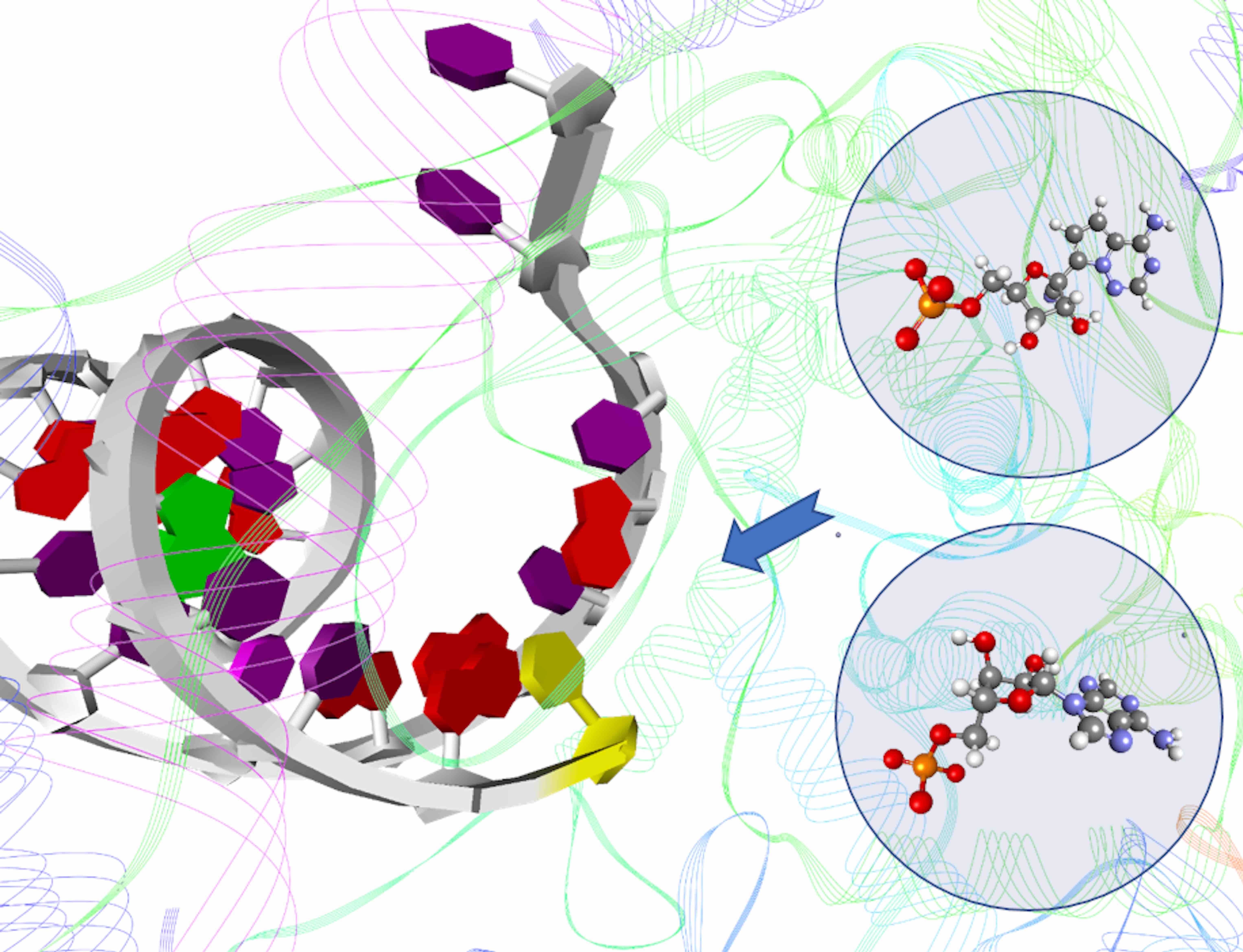
PI

Ahmet Yildiz; University of California, Berkeley
PatientsEpidemiology
Active project

Computational design of stapled peptide inhibitor against SARS CoV-2 receptor-binding domain

27 May 2021

Abstract

The SARS CoV-2 interacts with the human ACE2 receptor through its Receptor Binding Domain (RBD) to attach to the cell surface and transfers its genetic material. A continuous effort is going on to find a suitable inhibitor to prevent this association. In this investigation, we will use a computational approach to predict model stapled peptides derived from the human ACE2 domain which can inhibit the ACE2-RBD binding, competitively. A strategy of crosslinking suitable amino acids of ACE2 will be used to design stapled peptides followed by an estimation of their binding affinity with viral RBD. The types of stapling agent and their points of attachment to the peptide will be varied to enhance the binding affinity. In addition to that, the impact of glycan shielding and mutation of the RBD residues on the binding of these peptides will also be investigated in atomic detail.

PI

Rajarshi Chakrabarti; Indian Institute of Technology Bombay
TherapeuticsAntibody, vaccine, protein design
Active project

Computer Simulation of COVID-19 Spread in Nepal

11 May 2020

Abstract

We propose a computer simulation tool to predict the spread of the novel Coronavirus in Nepal. Our simulation is based on a graph-theoretic approach, and relies on region-specific data on human mobility, population density, number of hospital beds and age distribution, among others. The model consists of solving a set of coupled ordinary differential equations to obtain the time-dynamics of the state of health of the nodes (e.g. cities or villages). We consider running an ensemble of simulations, each corresponding to a different disease outbreak scenario. Such a tool will be instrumental in strategizing optimal intervening responses a-priori to halt the progression of the disease. Our simulations aim to serve policy makers in Nepal and around the world to make informed decisions to fight the Coronavirus crisis.

PI

Bishesh Khanal Nepal; Applied Mathematics and Informatics Institute for Research (NAAMII)
PatientsEpidemiology
Active project

Coarse-grained Modeling of SARS-CoV-2 Spike Protein Intermediates on the Pathway to Membrane Fusion

10 September 2020

Abstract

Entry of the SARS-CoV-2 virus into host cells is accomplished by the surface spike (S) glycoprotein, a class I fusion protein. Binding to target membrane ACE2 receptors is mediated by the S1 subunit. Following proteolytic processing, the S2 subunit then mediates fusion of the viral envelope and host cell membranes, resulting in a fusion pore that connects viral and host cell lumens for delivery of the viral genome. Fusion is achieved by several complex transitions taking the S2 subunit from the pre-fusion structure to the post-fusion structure, coupled to interactions with the host membrane. The pre- and post-fusion structures are partially characterized, but little is established about the intermediate states or the dynamical processes along this pathway, including fusion peptide release and its insertion into the host target membrane. A major challenge for computational approaches has been the long timescales characterizing these conformational changes and membrane interactions. As these timescales are beyond current all-atom approaches, coarse-grained (CG) molecular dynamics (MD) simulation approaches are needed. We will use CG and ultra coarse-grained (UCG) representations to study the structure and dynamics of these intermediates and their interactions with host membranes on realistically long timescales. In an integrated multiscale approach, finer grained simulations will calibrate more CG simulations to enable systematic CG parameter choices. This approach will allow assessment of antiviral strategies that target the pathway to membrane fusion, an important therapeutic target. Since the S2 fusion domain is conserved among coronaviruses, such antivirals offer the exciting possibility of pan-CoV therapeutics.

PI

Ben O'Shaughnessy; Columbia University in the City of New York
Basic scienceViral-human interaction
Active project

Molecular dynamic simulation studies of mutated Indinavir and Hydroxychloroquine-SARS-CoV2 protease complexes using Gromacs package

16 May 2020

Abstract

Molecular dynamics simulation is a method for analyzing atomic level movements which can evaluate protein and drug interactions with better accuracy. The calculations running behind this dynamic evolution are computationally expensive to simulate. Using the GROMACS tool under the XSEDE high performance computing platform, this task can be performed easily. From the initial bioinformatics study, Indinavir and Hydroxychloroquine were chosen as primary candidates amongst 6 lead compounds which are currently under research as SARS-CoV2 protease inhibitors. The study was focussed on analysing the efficacy of these two drugs under mutation effects in the protease ligand binding region. Both site directed as well as random substitution mutations were carried out in the ligand binding region. While the site directed mutations were performed based on altering the residues which were found unconserved, random mutation were applied using an in-house python code which simulated nucleotide substitutions for a total of 200 mutation cycles. Statistical testing showed both results pointing towards a similar trend of lower variance in the Hydroxychloroquine-protease complex binding affinity. Besides a constant binding capability of this drug towards mutant protease, an almost similar binding affinity to Indinavir points towards its effectiveness under an evolving SARS-CoV2 main protease. The preliminary results have been published as a pre-print (https://doi.org/10.21203/rs.3.rs-22082/v1). We wish to run molecular dynamics simulation to further validate this hypothesis, which otherwise cannot be deduced from docking results alone. The proposed study can increase our understanding towards the use of Hydroxychloroquine and similar drugs towards rapidly evolving viral infection states.

PI

Jithin Sunny; SRM Institute of Science and Technology
TherapeuticsDrug repurposing
Completed project

Structure, dynamics and binding study of spike protein with different variants of ACE2

01 August 2020

Abstract

Respiratory disease caused by a novel coronavirus, SARS coronavirus 2 (SARS-CoV-2), has been labeled a pandemic by the World Health Organization. The disease is now formally known as coronavirus disease 2019 (COVID-19). COVID-19 is responsible for the death of about 625,000 people worldwide as of July 22, 2020. Very little is known about the infection mechanism for this virus. The S protein is another potential target for many therapeutics as well as the primary target for antibodies and vaccines. The S protein of SARS-CoV-2 uses the human receptor containing angiotensin-converting enzyme 2 (ACE2) cells to mediate virus entry into the human body. Recent studies have shown that there can be several genetic variations of the SARS-CoV-2 leading to several S-protein mutation. In comparison, there are over 17,126 recorded variants of ACE2 in the NCBI dbSNP database2, making it one of the most polymorphous genes in the human population. 612 of these variants are single nucleotide variants (SNV) that lead to a single base pair substitution.2 To date, no study has been performed to understand the structure and dynamics of different variants of ACE2 and the S protein complex. This study will allow us to compare how different variants in ACE2 impact the binding affinity of the spike protein, which may increase or decrease an individual’s susceptibility for developing SARS-CoV-2 infection.

PI

Shahid Islam; University of Illinois at Chicago
Basic scienceViral-human interaction
Active project

Aiding the SARS-CoV-2 detection through novel CRISPR-Cas genome-editing systems

19 May 2020

Abstract

The SARS-CoV-2 coronavirus is rapidly spreading across multiple countries, causing a severe acute respiratory syndrome that threatens the world population. As the number of cases is steadily growing, there is pressing need for rapid testing tools, which could limit the contagion. New versions of the CRISPR gene-editing system are being harnessed as a fast, yet reliable diagnostic tool against SARS-CoV-2 infections. However, the molecular basis of viral nucleic acid detection is largely elusive, demanding improved approaches to expedite detection. This proposed research aims at characterizing how the CRISPR-associated proteins recognize viral genetic material through microsecond-long simulations. We will determine the critical conformational changes that are at the bottleneck in the process of detecting viral nucleic acids, delivering information that can help in expediting detection. This is the utmost need of the time considering the increasing number of afflicted individuals. Furthermore, we will characterize the molecular determinants that allow the selection of desired viral sequences, avoiding occurrences of false positives. This research will leverage our experience in mechanistic studies of CRISPR systems, and will provide a platform for the rational design of improved CRISPR-based diagnostic tools. Our structures and MD trajectories will be made rapidly available to our experimental collaborators and to the scientific community. Overall, the dynamic and mechanistic information arising from this project will be foundational for implementing novel diagnostic tools against SARS-CoV-2 based on the CRISPR-Cas genome-editing technology.

PI

Giulia Palermo; University of California, Riverside
PatientsDetection and diagnostics
Active project

Artificial intelligence driven integrative biology for accelerating therapeutic discovery against SARS-CoV-2

03 April 2020

Abstract

Our proposed work seeks to address both the fundamental biological mechanisms of the virus and the disease, while simultaneously targeting the entire viral proteome to identify potential therapeutics. Our computational effort complements experimental laboratory efforts at Argonne, the Diamond Light Source (UK), as well as the Frederick National Lab for Cancer Research (FNLCR). The overall effort includes team members from multiple laboratories (Argonne, Brookhaven), universities (University of Chicago, University of Illinois, University of Virginia, Rutgers University, Stony Brook University, George Mason University, University of Texas, University of California San Diego, University College London), and private research centers (JC Venter Institute). Our proposed work will develop machine learning (ML), deep learning (DL) and artificial intelligence (AI) techniques to: \n(1) identify, and build accurate three-dimensional structural models of the SARS-CoV-2 proteome by closely integrating experimental structural and systems biology datasets, \n(2) accelerate adaptive conformational sampling of the viral proteins to potentially identify novel binding sites/ pockets that can be targeted by small molecules, \n(3) rapidly filter, rank, and search for small molecules across widely available chemical libraries and to integrate virtual screening (computational drug discovery techniques) techniques with experimental high throughput screening, \n(4) enable multi-scale, multi-resolution simulations of the SARS-CoV-2 viral envelope, and specific proteins, and \n(5) characterize the evolutionary ‘traits’ of the virus including identification of epitopes and the viral genome that can be targeted for vaccine design.\nThe immediate impact of our current research is to build an ecosystem of open source AI/ML tools and conventional physics based simulations that can accelerate timely response for treating such pandemics. We have made significant progress across the aforementioned goals, including the development of AI/ML tools for rapidly filtering chemical space to identify small molecules that can bind to various viral protein targets, adaptive conformational sampling using molecular dynamics (MD) simulations, and building all-atom models for the entire viral envelope. Further, our approaches leverage open source software and tools that have already been tested on leading high performance computing facilities across the country. In addition, all of the data, computational tools and software will be released into the public domain to enable easy access, sharing and dissemination for further research.

PI

Arvind Ramanathan; Argonne National Laboratory
TherapeuticsSmall molecule design
Active project

Determining the contribution of glycosylation to SARS-CoV-2 S-protein conformational dynamics

15 October 2021

Abstract

The SARS-CoV-2 S protein is responsible for binding to the human receptor ACE2 and initiating the infection process. To do so, it must first transition from a down, non-infectious state to an up one that exposes its receptor-binding domain. In our previous allocation on Summit, we determined the role of covalently attached glycans that form a so-called "glycan shield", which also contributes to immune system evasion. We computed two-dimensional (2D) potentials of mean force (PMFs) for opening of the glycosylated and un-glycosylated spike, as well as the opening pathways between the two states. We showed that the energy barrier between the down and up states is higher with the glycans and explained it by showing how protein-glycan interactions stabilize both the down and up states along the path. Now, in order to respond to the reviewers of our manuscript submitted to Communications Biology, we propose to run additional PMF calculations on Summit in order to expand the range of the conformational space explored. In particular, we will determine precisely how broad the up state of the S protein is and compare it to predictions from enhanced sampling simulations by others.

PI

James Gumbart; Georgia Institute of Technology
Basic scienceViral structure and function
Active project

AI-based repositioning of existing drugs for COVID-19

03 April 2020

Abstract

Dr. Wei’s team will build deep learning models to screen 1600 FDA approved drugs and over 5000 experimental drugs in the DrugBank for COVID-19. These models utilize over 80 X- ray crystal structures of SARS-CoV-2 main protease and its inhibitors, 17,679 protein-ligand complexes with binding affinities and X-ray crystal structures, and over 2 million protein-ligand complexes with binding affinities. The aforementioned molecules are preprocessed with algebraic topology differential geometry, and spectral graph theory to generate Math-poses and to reduce their structural complexity by Math-features before fed into state-of-the-art artificial intelligence (AI) algorithms, such as convolutional neural network (CNN), generative network complex (GNC), and reinforcement learning (RF). Wei’s team has been the top winner in D3R Grand Challenges, a worldwide competition series in computer-aided drug design in the past few years.

PI

Guowei Wei; Michigan State University
TherapeuticsDrug repurposing
Completed project

Temporal reconstruction of the interaction interface between SARS-CoV-2 Spike glycoprotein and human ACE2 and assessment of the functionality of key-player mutant amino acids

23 June 2020

Abstract

This project aims to simulate, explore, and analyze the recognition pathway of SARS-CoV-2 and ACE2, from the unbound to the final bound state, using pepSuMD, an advanced version of the Supervised Molecular Dynamics method. The particular and unprecedented potential of this method will allow us to trace the occurrence of multiple intermediate states that chronologically anticipate the experimental high-resolution bound macro-molecule and hence to assess their importance in the formation of the physical interaction interface. Amino acids forming critical bonds will be mutated in silico, and the binding efficacy of the Spike-ACE2 complex assessed for each mutant. The extent to which these amino acids will affect the interaction upon mutation will help design capable competitors for Spike interaction. This research will result in an atlas containing a list and description of the wild-type amino acid residues temporally involved in the COVID-19 infection process, together with all simulated mutants and their effects on the interaction interface.

PI

Tommaso Mazza; IRCCS Casa Sollievo della Sofferenza
Basic scienceViral-human interaction
Active project

QM/MM-Based Computational Approaches to Elucidate Molecular Mechanisms of Drug Design and Delivery in the COVID-19 Treatment

20 May 2020

Abstract

We propose to apply the advanced molecular modeling approaches based on the quantum mechanics/molecular mechanics (QM/MM) methods to (i) elucidate molecular mechanisms of inhibition of the SARS-CoV-2 Main protease by promising drugs, and (ii) characterize molecular assemblies of these drugs with the fluorescent protein biomarkers, which can be used to trace drug delivery in human bodies.

PI

Anna Krylov; University of Southern California
Basic scienceViral-human interaction
Active project

Cryo-EM Studies of SARS-CoV-2 Antibody Complexes

27 May 2020

Abstract

The Aaron Diamond AIDS Research Center (ADARC) at Columbia University has identified numerous neutralizing antibodies from convalescent COVID-19 donors at Columbia University Medical Center. Some of these antibodies are highly potent, and could provide the basis for monoclonal antibody therapeutics or "passive" immunization. Nevertheless, the mechanisms by which these antibodies neutralize the virus, and the viral epitopes targeted remain unknown. We have begun single-particle cryo-EM studies with our Titan Krios at Columbia's Zuckerman Institute, and have produced our first 3D reconstructions of SARS-CoV-2 spike protein in complex with neutralizing antibodies. GPU computing power has become a major stumbling block in these studies. Sequence analysis of hundreds of ADARC-isolated antibodies reveal several "multi-donor" antibody classes, likely to represent immunological solutions to SARS-CoV-2 neutralization commonly elicited in the population. Based on these observations, we expect to need to determine well over a dozen antibody-complex structures, with a corresponding need for increased GPU-based computing. ADARC has previously developed antibody therapeutics to clinical approval, and the proposed work will accelerate the development of our SARS-CoV-2 neutralizing antibodies to accelerated clinical trials.

PI

Lawrence Shapiro; Columbia University in the City of New York
TherapeuticsAntibody, vaccine, protein design
Active project

Integrative modeling of SARS-COV2 envelope structure

25 June 2020

Abstract

We request computational resources to model and study coarse-grained and all-atom structures of SARS-COV2 envelope that includes three structural proteins, S, M, and E, as well as lipid molecules. The ab-initio modeling of the envelope structure is challenging due to the lack of high-resolution CryoEM or CryoTM structures of not just a coronavirus, but any virus from the whole Nidovirales order. Furthermore, in spite of the progress of structural biology and bioinformatics, two of the three protein components of the envelope either have not been properly modeled (M dimer) or have been modeled with partially missing key parts (TM and HR2 domains of S trimer). By integrating experimentally extracted information about protein stoichiometries, local and global geometry of the envelope structure, and geometry of the assembly of constituting components, such as a grid-packing of M-dimer complexes, with homology-based and fragment based protein structure modeling as well as coarse-grain and all-atom molecular dynamics simulations, we propose to model and simulate the motions of the (1) individual protein complexes of S, M, and E proteins in the lipid bilayer, (2) local all-atomic envelope substructure involving a grid of M-dimers and several S trimer proteins, (3) a coarse-grain model of the envelope, and (4) all-atom model of the envelope. This project is an international collaboration that includes the research group of PI with expertise in structural bioinformatics and modeling large molecular assemblies, as well as two groups with complementary expertise: Prof. Benjamin Neumann group at Texas A&M University with expertise in electron microscopy of coronaviruses and Prof. Sewert-Jan Marrink group at U. of Groningem, Netherlands with expertise in molecular dynamics of large-scale molecular systems. Obtaining the structure of SARS-COV2 envelope will bring us one step closer to understanding molecular mechanisms behind COVID-19 infections and expedite the development of nano-particle based treatments that mimic the structural properties of the virion particles.

PI

Dmitry Korkin; Worcester Polytechnic Institute
Basic scienceViral structure and function
Active project

Computational Modeling of the Hypercoagulability in COVID-19

10 December 2020

Abstract

Coronavirus disease 2019 (COVID-19), caused by severe acute respiratory syndrome coronavirus 2 (SARS-CoV-2), has affected near 50 million people worldwide and claimed more than 230,000 lives in United States as of Nov 2020. While the leading cause of mortality in patients with COVID-19 is hypoxic respiratory failure from acute respiratory distress syndrome, emerging evidence suggests that people with COVID-19 are prone to experience thrombotic events, such as acute pulmonary embolism and arterial thrombosis and develop cardiovascular complication. Hence, better quantitative understanding of the pathogenesis of hypercoagulability in COVID-19 is required to improve the disease management to prevent or treat thrombosis for COVID-19 patients. Recent studies indicated that all three components of Virchow’s triad, namely stasis, endothelial injury and hypercoagulable state, are likely to contribute to the increased thrombotic risk of COVID-19 patients, but the detailed mechanism is not well-understood. Herein, we propose to develop a novel computational framework to simulate the excessive thrombosis in microcirculation under hypercoagulability in COVID-19. This new framework will integrate seamlessly four key components in the process of blood clotting, namely hemodynamics, transport of coagulation factors and coagulation kinetics, blood cell mechanics and platelet adhesive dynamics, such that we can dissect the complicated process of pathological thrombus formation and investigate the detailed mechanism of hypercoagulability in COVID-19. Our simulation results can help to improve our understanding of the pathogenesis of hypercoagulability in COVID-19, identify the key coagulation factors in triggering thrombosis and test the efficacy of anti-coagulation and antiplatelet drugs, thereby improving the thrombosis prevention and treatment for COVID-19 patients.

PI

George Karniadakis; Brown University
PatientsPatient trajectory and outcomes
Completed project

Dynamics of SARS-CoV2 spike protein RBD and core S2 domains

14 April 2020

Abstract

Current pandemic caused by the novel SARS-CoV-2 virus is disrupting economies and the daily lives of humans across the globe. To develop effective therapies against this virus, it is imperative to glean critical insights into the molecular mechanisms behind the highly virulent nature of this pathogen. SARS-CoV-2 virus uses its surface-exposed spike protein S-trimers to bind to the human angiotensin-converting enzyme 2 (ACE2) receptor found on epithelial cell surfaces, and this binding event initiates S-trimer conformational changes that lead to virus-cell membrane fusions. Prerequisites for fusion with host cell membrane are among others (i) conformational changes of at least one receptor binding domain (RBD) of the S-trimer from the down/closed into up/open conformation, (ii) priming of the S-proteins in the trimer by cleavage of S into S1 and S2 and further cleavage of S2 at the S2’ position. RBD conformational change into the up form is required for ACE2 binding and priming of the S-protein is required to enable the detachment of S1 from the core helices and fusion peptides. After the detachment and removal of the core surrounding S1 part of S, the core helices have the space to change their conformations into an elongated helix bundle and initiate fusion with host cell membrane. Here we propose to study in detail the conformational changes of the RBD from the down into up conformation and the conformational changes of the exposed S2 core part into the elongated helix bundle by performing atomistic molecular dynamic simulations.

PI

Numan Oezguen; Baylor College of Medicine
Active project

The generation of molecular structures targeting key SARS-CoV-2 proteins using AI-based integrated de novo molecular generator to find the potential inhibitors of viral replication

17 June 2020

Abstract

The scientific goal of the project is to develop new potent antivirals suppressing SARS-CoV-2 coronavirus replication in vitro. Insilico Medicine is going to utilize its own unique generative chemistry platform in order to identify new potent and patentable chemotypes. The AI-generated molecules targeting key proteins of SARS-CoV-2 then will be synthesized and tested in enzymatic assays for inhibitory activity. Most promising compounds will be tested in cellular assays on the lung cells infected by SARS-CoV-2 strains in order to identify the candidates for preclinical studies.

PI

Bogdan Zagribelnyy
nullTherapeutics
Active project

Assessment of phytochemicals present in Indian indigenous plants through in silico methods for CoVID19 targeting and treatment.

06 May 2020

Abstract

WHO dashboard displays a rapid rise in infected CoVID19 patients. While social distancing and lockdown are useful, a more viable idea would be to invest in development of medicinal drugs both for prophylaxis as well as treatment of patients. Many existing anti-viral medications are being repurposed. Unfortunately, none of the current medication strategies are optimum and vaccine development will take more than one year. In this project, we will screen phytochemicals for anti-CoVID19 activity through interaction with CoVID19 specific targets using in silico methods such as molecular modeling. We have made a roadmap for our study with checkpoints to assess the success at each step. The main steps include extensive literature analysis to confirm anti-viral activity of chosen phytoconstituents, Druggability analysis, Molecular docking preparation (ligand and target) and execution and confirmation through advanced in silico methods. Although our team (one trained Postdoc as PI, one PhD student and two Masters students) is prepared to execute this project at our laboratory, we envisage requirement of high-performance computing, access to advanced software and remote storage. Our early comparison of the herbal chemical moieties suggests that Indian medicinal herbs have phytoconstituents that may show great promise as anti-CoVID19 drugs. This project will directly influence the anti-viral drug development for CoVID19 and thus has very high impact.

PI

Gurjot Kaur; Shoolini University
TherapeuticsSmall molecule design
Completed project

The Analysis of Binding SARS-CoV-2 to Various Substrates

28 August 2020

Abstract

Background: The novel coronavirus (SARS-CoV-2) has infected, globally, more than 21M people of which the US accounts for >25%, approximately 7 months since its outbreak. Its conformation and binding sites are understood while its other properties including infection intensity and stability on various substrates such as copper, cupboard, plastic, and stainless steel, as well as human tissues are still elusive. Scientific Goal: To understand the infection, we start from analyzing the binding on these substrates under such external conditions as temperature and pH values, by orchestrated efforts in vitro and in silico experiments. Innovation: Our multiscale model uses the learned parameters with big data collected through these experiments with the key thrust in accelerating the conventional all-atomic molecular dynamics (MD) by 5~6 orders of magnitude, leveraging on our decade-long study of a similar model of platelet aggregation and adhesion to human blood vessels. Our study will provide guidelines for the development of preventive strategies. Of course, the entire model can be generalized conveniently to study other viruses. Objectives: Understanding the novel coronavirus intensity of binding to various substrates may help prevent the spread of the recent pandemic and save lives by developing more efficient personal preventive equipment (PPE). The SARS-CoV-2 spike glycoprotein (S-protein) is the key receptor for binding to various substrates and promoting the entry to host cells [1], and thereby causing infection. Our main objective is to reveal, quantitively, the binding properties of the spike protein on relevant substrates through the orchestrated efforts of in vitro and in silico experiments as well as machine learning. Methods: The spike glycoprotein conformation and binding functions will be predicted using molecular dynamics (MD) and, combined with in vitro data, to feed a deep neural network (DNN) for training a multiscale modeling (MSM) framework. The trained DNN-MSM, also verified by experiments, will be further exercised for exhaustive simulations for spike protein binding to various substrates under varied healthcare conditions (temperature, pH values, virus concentration, and contagious time length). Results: The binding intensity, specificity, duration, and the conformation changes will be collected from in silico experiments and further synthesized as a prediction model that would incorporate these affective factors. Innovation: The first multiscale model, in vitro experiments-guided-and-verified, to enable an exhaustive investigation on binding to substrates at varied ambient temperature and pH. Machine learning will be integrated with the multiscale modeling approach, which helps train computer models for autotuning and finding insights. The XSEDE resources will plan an essential role in support of the completion of the microsecond-scale multiscale modeling for the viral binding to materials surfaces.

PI

Peng Zhang; SUNY at Stony Brook
Basic scienceEnvironmental effects
Active project

Modeling COVID-19 Transmission in California Counties

15 April 2020

Abstract

This project will produce a validated modeling tool to forecast the hospital bed, intensive care bed, and ventilator need for the COVID-19 outbreaks in California counties, with a focus on resource needs for populations at high risk of disease severity (cardiovascular disease, lung disease, or diabetes) or infection (unstably housed populations).\n \nThis project aims to ensure adequate hospital resources (hospital beds, intensive care beds, ventilators) in California counties for the COVID-19 outbreak by providing short term (7 day) and long term (up to 6 month) forecasts of COVID-related hospital resource need and availability, with a focus on needs of vulnerable populations. This information will aid policymakers in decisions regarding the impact of policy changes on hospital resource needs, with a focus on ensuring adequate hospital resources for those at high risk of disease severity (such as who have key comorbidities such as cardiovascular disease, lung disease, or diabetes). Additionally, it will provide information on resource needs for vulnerable populations diagnosed with COVID-19, such as post-diagnosis or post-hospitalization temporary housing for individuals with unstable housing who are concerned about transmitting to others.

PI

John Davis; University of California, San Diego
PatientsSupply chain and resource allocation
Completed project

Analyzing and enhancing CORD-19 and additional Coronavirus-related data sets

08 May 2020

Abstract

The goal of the project is to analyze and enhance CORD-19 and additional Coronavirus-related data sets. The analysis and enhancements will then be redistributed for further scholarly analysis. We are requesting 70,000 SU’s and 1 TB of storage space to be allocated to an existing XSEDE project called the Distant Reader.

PI

Eric Morgan; University of Notre Dame
Basic scienceScience tools
Completed project

Computer-aided drug discovery for SARS-CoV-2

08 April 2020

Abstract

The proposed work aims to reveal the dynamic natures of the proteins of SARS-CoV-2, SARS-CoV and MERS-CoV and use the structural and dynamics information to assist drug development. The projects apply computational tools to model ligand-protein interactions and suggest potential inhibitors. Our experimental collaborators will measure the inhibition activity of the compounds. We anticipate that iterative information from computational and experimental investigation can efficiently discover new lead compounds and assist drug design targeting papain-like protease of SARS-CoV-2.

PI

Chia-en Chang; University of California, Riverside
TherapeuticsSmall molecule design
Completed project

Physical Models of COVID-19 Related Proteins

02 May 2020

Abstract

Multiple joint scientific efforts are underway for obtaining drugs against the SARS-CoV-2 virus. Rational drug design relies on developing and optimizing drugs against the virus proteins. Yet the structures of many coronavirus proteins are not yet known. In this project, we will use our Bayesian construct MELD to run protein folding molecular dynamics simulations in order to generate atomistic structures of a large fraction of the virus proteins and their related human targets. Our efforts complement knowledge-based and machine learning approaches as well as experimental approaches by integrating data from all of them into a physics-based modeling technique that deliver conformational sampling, high resolution structures and free energy based scoring. We hope that the resulting protein models will contribute towards drug design endeavors as well as towards understanding significant virus mechanisms.

PI

Ken Dill; SUNY at Stony Brook
Basic scienceViral structure and function
Completed project

COVID Mapping and Modeling for City of Philadelphia

24 June 2020

Abstract

Using a combination of cell phone GPS data provided by Veraset and SafeGraph, demographic data derived from the American Community Survey, and COVID 19 caseload data from the New York Times, we are currently advancing three related workstreams: We are using mobility and demographic data to train epidemiological models that we hope will inform policy decisions regarding reopening. We are estimating a series of statistical models to identify correlations between demographic and human mobility data. We are building a collection of interactive data dashboards that visually summarize human mobility patterns over time and space for a collection of cities, starting with Philadelphia, as well as highlighting potentially relevant demographic correlates.

PI

Duncan Watts; University of Pennsylvania
PatientsSocial interaction analytics
Active project

High-Performance Causal Inference for COVID-19 Mitigation and Response

28 August 2020

Abstract

This project will develop a scalable computational approach to conducting causal inference on massive COVID-19 observational datasets. For COVID-19 mitigation and response studies, the ability to conduct randomized control trials (RCT) would be invaluable, but is, unfortunately, not possible since we cannot randomly choose who is infected with the virus nor can we randomize who receives essential care. An alternative route toward the same end is to employ causal inference models with the observational COVID-19 data that become increasingly available for public access as desensitized clinical records. Through our previous work, theoretical statistical foundations have been established and a parallel computing algorithm based on the message-passing interface (MPI), called BOSS, has been implemented to compute optimal subsets that are statistically indistinguishable from the treatment group observations. In this project, we propose to enhance the BOSS model as a hybrid computational model that is able to leverage data-intensive computing paradigms and GPU-accelerated high-performance computing (HPC).

PI

Yan Liu; Oak Ridge National Laboratory
PatientsPatient trajectory and outcomes
Active project

Rapid antiviral drug discovery for SARS-CoV-2

04 April 2020

Abstract

We propose to obtain the most detailed simulation models possible of the proteins of SARS-CoV-2 and to perform virtual high-throughput screening ensemble docking campaigns to find the best-ranked drug candidates. The activity of the proposed compounds will then be tested experimentally. Experiment and theory will be rapidly iterated, converging on the most effective molecules.

PI

Jeremy Smith; University of Tennessee, Knoxville
TherapeuticsSmall molecule design
Completed project

Discovering molecular targets of the human coronavirus with HPC and AI

07 April 2020

Abstract

We propose to deploy an AI-driven high performance computing (HPC) approach to comprehensively identify and evaluate targets without pre-selection. In response to the outbreak of COVID-19, we apply our method to study the current human coronavirus (SARS-CoV-2) spike protein, the host protein to which it binds (ACE2 receptor), and the host enzyme used for priming (cellular serine protease TMPRSS2). By comparing these structures with the analogous machinery used by previous human coronaviruses (e.g., MERS-CoV, SARS-CoV), we will identify the specific regions of SARS-CoV-2 spike protein, ACE2 receptor, and TMPRSS2 which can potentially serve as drug targets. Moreover, the AI-driven HPC pipeline developed in this work will be extensible to study other biomolecular systems including future viruses.

PI

Debsindhu Bhowmik; Oak Ridge National Laboratory
TherapeuticsTarget discovery
Active project

The Interactions between Polyphenols and COVID-19 Proteins

13 August 2021

Abstract

Although scientists around the world put lots of efforts into the development of new treatments for COVID-19 since the outbreak, no drugs except Veklury (Remdesivir) have been approved by FDA. There is an urgent need to discover some alternative antiviral treatment for COVID-19. Because polyphenols have been shown to possess antiviral activities, in this project, we plan to conduct a large-scale virtual screening for more than 500 polyphenols against several target proteins of SARS-CoV-2, such as main protease (Mpro), papain-like protease (PLpro), RNA-dependent RNA polymerase (RdRp) and spike protein. After the binding affinities and binding poses are predicted by molecular docking, we propose to perform molecular dynamics (MD) simulations with GROMACS and CHARMM36 force field on Bridges-2 PSC. It will assist us in further analyzing the stability of complexes of polyphenols and target proteins. Analyzing the docking results will shed light on the potential efficacy of the top-ranked drug candidates and pinpoints the key residues on the target proteins for the drug development.

PI

Zhong-Ru Xie; University of Georgia
TherapeuticsSmall molecule design
Active project

Designing virus-specific sACE2 mimics for competitive inhibition of SARS-CoV-2

10 April 2020

Abstract

SARS-CoV-2 enters cells using the ACE2 receptor, which can be liberated into a soluble form (sACE2) that also binds the viral spike protein. There is an ongoing clinical trial of recombinant human sACE2 as an evolutionarily stable and non-immunogenic competitive inhibitor. However, sACE2 exhibits other biological roles including integrin signaling regulation, which likely limits the amount that can be safely delivered and its overall therapeutic effectiveness. We propose to use HPC Consortium resources to computationally design multiple sACE2 mutants exhibiting picomolar spike protein binding and reduced endogenous signaling activity using our recently developed UniRep protein representation and "low-N" in silico evolution platform (10.1101/2020.01.23.917682). Because the designed variants will be more effective at viral inhibition per molecule while enabling higher doses due to their decreased effects on native signaling pathways, we hypothesize that they will be capable of inhibiting viral entry much more effectively in patients. We will iterate the design process in a matter of weeks, rapidly test the variants in the laboratory and in animal models, then transition into pre-clinical and clinical trials as quickly as possible in order to save lives.

PI

Kevin Esvelt; Massachusetts Institute of Technology
TherapeuticsAntibody, vaccine, protein design
Active project

Predicting Long-Term T Cell Responses to SARS-CoV-2 via Molecular Modeling and Machine Learning

14 May 2020

Abstract

The dynamics of COVID-19 infection remain poorly understood, and it is unknown whether patients acquire prolonged immunity to the virus following initial infection. Most current vaccine efforts mainly promote B cell production of neutralizing antibodies. While often critical for virus neutralization and disease control, research from the 2002-2003 SARS-CoV epidemic suggests that B cells and serum antibodies involved in the initial immune response are likely to be short-lived. However, many patients with undetectable antibody levels retained immune protection by virtue of long-lived T cells, and correlation of T cell recovery with convalescence in COVID-19 strongly suggests that T cells are critical for virus control. By computationally simulating hundreds of thousands of interactions between T cells and COVID-19-infected cells, we aim to characterize the biochemical features of T cells responsible for long-term COVID-19 immunity and identify a small number of viral molecules that have the highest likelihood of inducing long-term immunity when delivered through vaccines.

PI

Michael Noble; Repertoire Immune Medicines
TherapeuticsAntibody, vaccine, protein design
Active project

Agent-Based Simulation for Contact Tracing using Human Activity Data

06 May 2020

Abstract

The spread of the COVID-19 has added an unprecedented burden on the healthcare systems, daily lives, and economies around the world. A model from W.H.O indicates that the peak can come as late as July and other studies warn that COVID-19 could become a recurring disease, posting long-term uncertainties on our entire human society. Social contact has proven a contributor to the fast spread of COVID-19. As a result, social distancing and self-quarantine have been recommended or required in many states. This research project builds a large-scale, agent-based model (ABM) to simulate smartphone-assisted, privacy-preserving COVID-19 contact tracing. The goal of the project is to simulate how human contacts and voluntary contact tracing can impact the spread of COVID-19. The objectives of the project are: (1) building ABM platform to simulate social contacting in the U.S.; (2) processing and analyzing large-scale human mobility data into the ABM model; and (3) exploring voluntarily contact tracing and its impact on the spread of COVID-19. We especially focus on identifying the needed numbers of the population to adopt voluntarily tracing to reduce the spread of the coronavirus.

PI

Ryan Wang; Northeastern University
PatientsSocial interaction analytics
Completed project

Binding of Synthetic Carbohydrate Receptors to Enveloped Virus Glycans: Reconsideration of Viral Glycans as Viable Targets for Antiviral Drugs

14 May 2020

Abstract

Can enveloped glycans be targeted to stop viral pandemics? In this proposal we want to address this question by studying the binding between synthetic carbohydrate receptors and the N-glycans commonly found on the surfaces of enveloped viruses, including Zika virus and SARS-CoV-2 using molecular dynamics (MD) simulations.\n Glycans constitute ~25% of the molecular weight of spike glycoproteins on the surface of EnV, and molecules that selectively bind these EnV glycans, referred to here as synthetic carbohydrate receptors (SCRs), could act as a recognition elements in diagnostic platforms or as broad spectrum antiviral agents. The challenge with this strategy, however, is that glycans are still considered “undruggable targets”, meaning they have a known role in disease progression, but no widely adopted therapeutic strategies exploit this information. Recently, we have reported on a series of SCRs with potent antiviral activity, but without a molecular-level understanding of the binding conformation of the SCR-glycan complex, their structures cannot be rationally redesigned to cater the selectivity towards EnV glycans.\n In this proposal, we are seeking the design rules of SCRs against a library of glycans common to EnV and subsequently evaluate their affinity towards glycosylated Receptor-Binding Domain (RBD) of the SARS-CoV-2 spike protein and SARS-CoV-2 spike glycoprotein. These systematic variations in the glycan and SCR structure could reveal relationships that could guide the design of SCRs to attain affinity and selectivity towards a chosen envelope glycan target. Reclassification of glycans from “undruggable” to a viable antiviral target opens new avenues for developing novel treatments, diagnostics and sensors, including potential application in taming the current COVID-19 outbreak.

PI

Mateusz Marianski; Hunter College, CUNY
TherapeuticsSmall molecule design
Active project

Allocation of scarce resources during the COVID-19 pandemic

13 April 2020

Abstract

Resources are insufficient to treat patients affected by COVID-19, particularly those who face imminent death without immediate treatment with mechanical ventilation. Medical ethicist Ezekiel Emanuel states that “we cannot leave these decisions to the frontline clinicians fighting the virus, forcing them to make well-intentioned, but ad hoc choices under extreme pressure”. Likewise, Lisa Rosenbaum states in a New England Journal of Medicine commentary that “the first and most important [priority] is to separate clinicians providing care from those making triage decisions”. Thus, data-based triage rules are required. \n \n Ventilator triage during the COVID-19 pandemic, like any medical policy decision, is a fundamentally causal problem. Any triage rule must be recommended on the basis of predictions of counterfactual population outcomes (e.g. all cause mortality) that would be observed were the rule actually implemented compared to if alternative rules were implemented. Machine learning algorithms that simply predict outcomes under current practice, even with unlimited data, are not sufficient. The determination of optimal strategies for the allocation of scarce resources would ideally be evaluated in randomized controlled trials (RCTs), comparing the relevant outcomes (e.g., all-cause mortality) from different allocation algorithms under real-world constraints. However, in this time of crisis, conducting such RCTs would be neither timely nor feasible. Herein, we propose to apply causal inference techniques to observational data from intensive care units (ICUs) that have provided care to patients with COVID-19 to emulate the RCTs that would ideally be performed.

PI

Zach Shahn; IBM Research
PatientsSupply chain and resource allocation
Active project

Tensor Decomposition Methods for Statistical Analysis of Spatio-Temporal Infectious Disease Data

09 June 2020

Abstract

"We propose to evaluate and improve tensor decomposition methods and software in application to\n geospatial time-varying data of disease case counts. Tensor decompositions enable efficient analysis of\n a compressed representations of the data, provide access to latent statistical features, and can be used for\n extrapolation/modelling. Tensor completion extends these methods to partially-observed or noisy data.\n We will apply and extend existing parallel software for tensor decomposition and tensor completion to\n a sparse tensor dataset of diagnosis statistics of COVID-19 patients in different locations over time (i.e.,\n a tensor of disease by location by time). We will prototype performance of new tensor decomposition\n methods appropriate for analysis of this type of data, including high-order methods for tensor decom-\n position with constraints and multigrid tensor decompositions with a predefined hierarchy (in our case,\n geospatial). Since the dataset is a large sparse tensor, we plan to make use Stampede2, employing soft-\n ware that has previously been developed and benchmarked for sparse tensor decomposition and tensor\n completion on this supercomputer."

PI

Edgar Solomonik; University of Illinois at Urbana-Champaign
PatientsEpidemiology
Completed project

Peptide Inhibitor Design for SARS-CoV2 Spike Protein

19 May 2020

Abstract

The proposed simulations compose the computational component of a collaborative project among several research labs at the University of Illinois at Urbana-Champaign with the aim of designing, synthesizing and testing a novel peptide inhibitor with increased affinity that binds to and blocks the SARS-CoV2 spike protein from binding to its receptor on human cells, namely the human angiotensin-converting enzyme 2\n (ACE2). The design originates from a peptide fragment corresponding to the binding region of ACE2, where the SARS-CoV2 spike protein is known to bind according to available structures. Here we will first use equilibrium MD to examine the stability of the complex between the receptor-binding domain (RBD) of the SARS-CoV2 spike protein and each of the 40 different ACE2-derived peptides, which are developed based on affinity measurements of modified peptide in a collaborator’s lab (revised manuscript under review). The ten best candidates showing stable complex structures with the spike-RBD during the simulations will be further analyzed using enhanced sampling and free energy methods to rigorously calculate their binding free energies, in order to select the best peptide sequence design. Furthermore, in order to structurally stabilize such an isolated peptide, we will develop a second-generation peptide design for the inhibitor where a chemical link is engineered between the two ends of the designed peptide to maintain its tertiary structure as in the full ACE2 context while retaining the high-affinity binding to the spike-RBD. The resulting promising designed constructed will be synthesized and tested for affinity by the experimental collaborating labs at the departments of Chemistry and Biochemistry for their diagnostic and therapeutic potentials."

PI

Emad Tajkhorshid; University of Illinois at Urbana-Champaign
TherapeuticsAntibody, vaccine, protein design
Active project

High-performance computing based real-time COVID-19 response

20 September 2020

Abstract

We are requesting access to PSC and other HPC resources to continue our critical work pertaining to COVID-19 planning and response. Our group has long standing expertise in the use of HPC resources for pandemic planning and response. We have been actively supporting federal, state, and local authorities in their efforts to combat the pandemic, providing roughly 6-7 weekly briefs and analytical products. Our current work output is supporting policy development and planning efforts for DTRA (the DoD’s COVID-19 Task Force, US Northern Command, and the National Guard Bureau), Commonwealth of Virginia (the Virginia Dept of Health and Virginia’s Unified Command structure for COVID-19, and the Virginia Dept of Emergency Management) and local health authorities. We are requesting continued access to PSC and other supercomputing centers to continue the work we are doing. The work is critical right now given an upsurge in pandemic activity and a number of events that are likely to exacerbate the situation, including college and school reopening, reopening of businesses, start of the influenza season, changes in the weather, and potential fatigue in the population in maintaining social distance and curtailing daily activities.

PI

Madhav Marathe; Virginia Polytechnic Institute and State University
PatientsEpidemiology
Active project

Incidence of SARS-CoV-2 in SRA metagenomic samples

16 April 2020

Abstract

The Sequence Read Archive (SRA) is a repository of genomics data from the next generation of sequencing platforms. We would like to process all of the data deposited in the previous 6 months in the SRA to detect SARS-CoV-2. The ability to scan this archive will give us a better idea of the background levels of SARS-CoV-2 in metagenomics samples and will allow us to better track the temporal and spatial spread of the virus. We will download data from the SRA and use 4 different algorithms, GOTTCHA2, Centrifuge, Kraken2 and PanGIA to determine which sequences contain SARS-CoV-2

PI

Mark Flynn; Los Alamos National Laboratory
Basic scienceViral evolution
Completed project

Simulations of molecular mechanisms of SARS-CoV-2 interactions with membranes to enable the identification and evaluation of small molecule inhibitors of viral entry with MD simulations and AI frameworks.

20 May 2020

Abstract

Envelope viruses infect cells via fusion of the viral envelope membrane with cellular membranes in a process mediated by viral fusion proteins on the virus surface. Fusion requires proteolytic cleavage that results in exposure of a specific region, the fusion peptide (FP), which inserts into the target cell membrane. The surface spike glycoprotein (S-prot) serves as the fusion protein, and the FP is found in a bipartite form in the S2 fusion domain, consisting of a class-I type helical segment (FP1) and a class-II type internal loop (FP2). The S1 domain of S-prot contains the receptor binding domain (RBD) that interacts with the cell receptor, ACE2. This interaction is required for the fusion domain to undergo the required conformational changes for FP insertion in cell membrane. Our proposed Molecular Dynamics-based project aiming to block SARS-CoV-2 virus entry, targets the Fusion Peptide-centered region, FPR, of the S-prot that mediates the interaction with the membrane to enable fusion. The expected practical outcome from the structural and mechanistic insight provided by the MD simulations is the identification and computational probing of small molecules (including peptide-mimetics) that interact specifically with this region to inhibit the fusion interaction. This will involve a close, iterative, collaboration between our computational MD and mechanistic analysis and the efforts of the Payel Das group at IBM, centered on advanced generative and predictive AI frameworks, designed to achieve targeted and selective design of novel and optimal small molecules and peptides.

PI

Harel Weinstein; Weill Cornell Medical College
TherapeuticsSmall molecule design
Completed project

SARSCOV2/COVID19 protein interruption search with existing active compounds using quasi-quantum simulation

07 September 2020

Abstract

COVID-19 is a highly transmissible disease caused by Severe Acute Respiratory Syndrome coronavirus 2 (SARSCoV2). Although vaccine development is critical, it is also a lengthy process. To this end ARIScience has developed a state-of-the art molecular simulation software to identify whether existing FDA-approved drug active compounds may interrupt SARSCoV2 proteins. This quasi quantum simulation software autonomously disassembles SARS-CoV-2 proteins, identifies target areas on the protein, and then identifies drug compounds with highest potential for interruption. If an existing drug compound, or cocktail of compounds, can be discovered to affect the speed, formation, and activity of different parts of multiple viral proteins, a multi-pronged attack strategy to slow down COVID-19 can be developed, which in turn can help save civilian lives in the U.S. ARI can currently simulate 1213 drugs and have already completed simulations against 5 SARS-CoV-2 proteins. Preliminary simulation results are confidentially attached to this request pending subsequent validation steps of our overall research.

PI

Joy Alamgir; ARIScience
TherapeuticsDrug repurposing