Aiding the SARS-CoV-2 detection through novel CRISPR-Cas genome-editing systems
Active project
Abstract
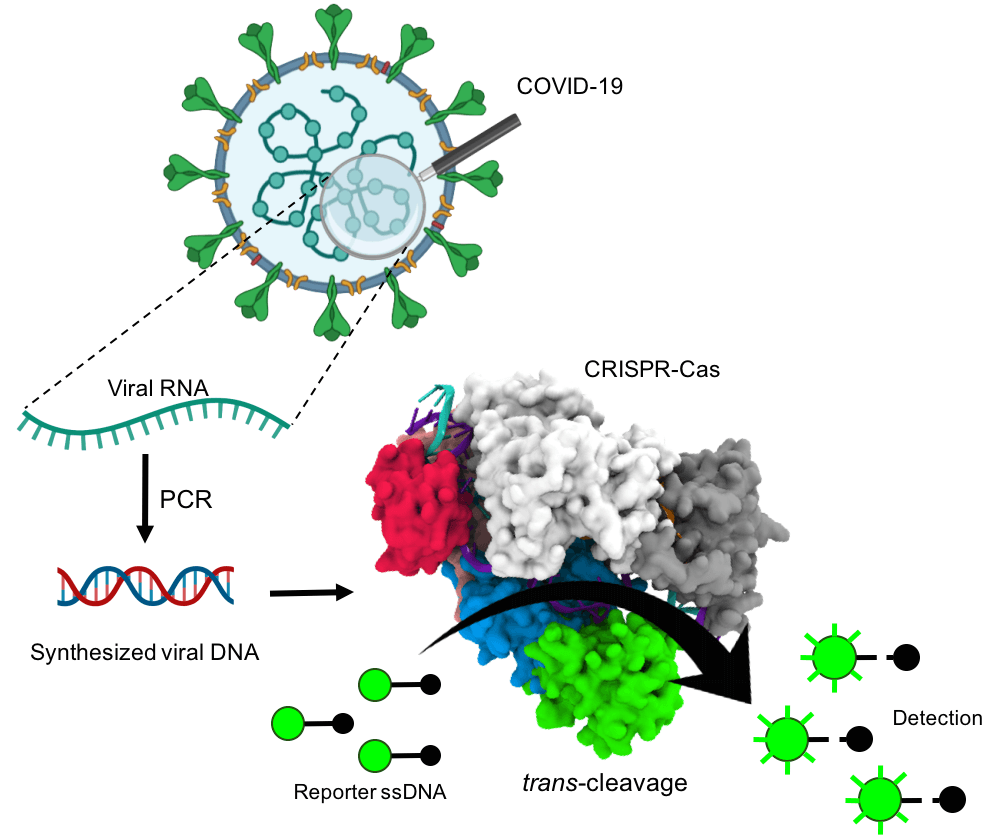
The SARS-CoV-2 coronavirus is rapidly spreading across multiple countries, causing a severe acute respiratory syndrome that threatens the world population. As the number of cases is steadily growing, there is pressing need for rapid testing tools, which could limit the contagion. New versions of the CRISPR gene-editing system are being harnessed as a fast, yet reliable diagnostic tool against SARS-CoV-2 infections. However, the molecular basis of viral nucleic acid detection is largely elusive, demanding improved approaches to expedite detection. This proposed research aims at characterizing how the CRISPR-associated proteins recognize viral genetic material through microsecond-long simulations. We will determine the critical conformational changes that are at the bottleneck in the process of detecting viral nucleic acids, delivering information that can help in expediting detection. This is the utmost need of the time considering the increasing number of afflicted individuals. Furthermore, we will characterize the molecular determinants that allow the selection of desired viral sequences, avoiding occurrences of false positives. This research will leverage our experience in mechanistic studies of CRISPR systems, and will provide a platform for the rational design of improved CRISPR-based diagnostic tools. Our structures and MD trajectories will be made rapidly available to our experimental collaborators and to the scientific community. Overall, the dynamic and mechanistic information arising from this project will be foundational for implementing novel diagnostic tools against SARS-CoV-2 based on the CRISPR-Cas genome-editing technology.
Results (0)
PI
Giulia Palermo; University of California, Riverside