Predicting Long-Term T Cell Responses to SARS-CoV-2 via Molecular Modeling and Machine Learning
Active project
Abstract
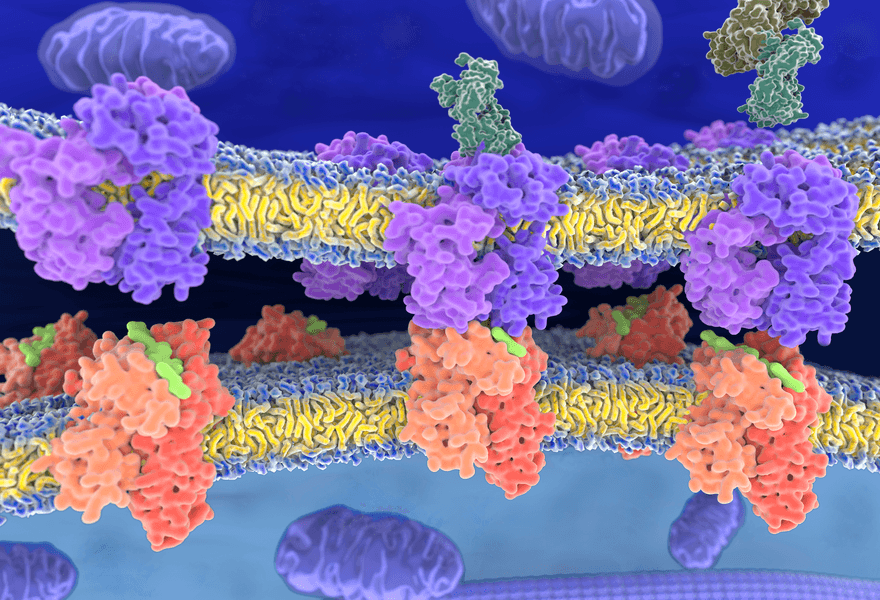
The dynamics of COVID-19 infection remain poorly understood, and it is unknown whether patients acquire prolonged immunity to the virus following initial infection. Most current vaccine efforts mainly promote B cell production of neutralizing antibodies. While often critical for virus neutralization and disease control, research from the 2002-2003 SARS-CoV epidemic suggests that B cells and serum antibodies involved in the initial immune response are likely to be short-lived. However, many patients with undetectable antibody levels retained immune protection by virtue of long-lived T cells, and correlation of T cell recovery with convalescence in COVID-19 strongly suggests that T cells are critical for virus control. By computationally simulating hundreds of thousands of interactions between T cells and COVID-19-infected cells, we aim to characterize the biochemical features of T cells responsible for long-term COVID-19 immunity and identify a small number of viral molecules that have the highest likelihood of inducing long-term immunity when delivered through vaccines.
Results (0)
PI
Michael Noble; Repertoire Immune Medicines